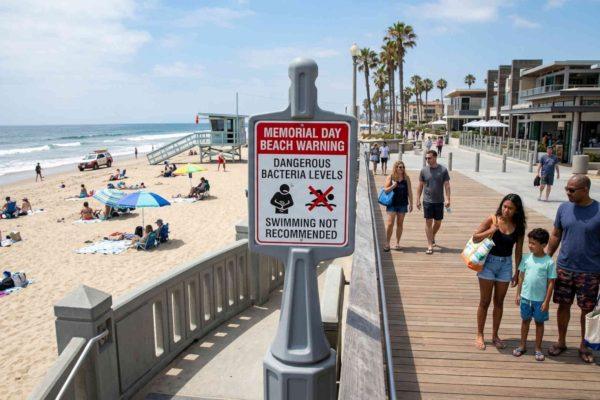
As millions of families across the United States prepare for the Memorial Day weekend, a new report from the Surfrider Foundation is raising red flags about water quality at some of the country's most popular coastal destinations. The environmental organization's Blue Water Task Force has detected levels of fecal bacteria that exceed state safety standards at beaches in Florida, California, and Hawaii — including spots heavily frequented by Latino communities and tourists from across the Americas.
“This is not just an environmental issue; it's a public health concern that affects everyone who loves the ocean,” said a Surfrider spokesperson. The contaminated water can cause gastrointestinal infections, skin rashes, and respiratory problems, especially in children, older adults, and those with weakened immune systems.
Hotspots to Watch
In Florida, the Park View Kayak Launch in Miami Beach showed some of the highest contamination levels. Miami-Dade County is home to a large Cuban American and Caribbean diaspora, and many families plan beach outings during the holiday weekend. Similarly, Imperial Beach in San Diego — a city with a deep Mexican American heritage — recorded alarming bacteria counts. In Hawaii, several areas on the island of Oʻahu, including popular spots frequented by both locals and tourists from Latin America, also tested poorly.
The report notes that in some locations, up to 100 percent of water samples collected during certain periods exceeded safety limits. The main culprits? Aging sewage infrastructure, heavy rainfall, and urban runoff that carries animal waste and chemicals into the ocean.
“We're seeing a pattern where outdated pipes and more intense storms due to climate change are overwhelming treatment systems,” explained a water quality expert. “That leads to accidental discharges into the ocean.”
What You Can Do
Before heading to the beach, experts recommend checking local water quality reports. The Surfrider Foundation and the Centers for Disease Control and Prevention both advise avoiding swimming after heavy rains, staying away from areas near river mouths or storm drains, and paying attention to warning signs posted at beaches.
For those planning a trip to South Florida, our guide on Memorial Day 2026 in South Florida: Transit Schedules, Closures, and What Stays Open can help you navigate the holiday weekend. Meanwhile, the NYC Public Beaches Reopen with Major Safety Upgrades for Summer 2026 story shows how other cities are tackling similar challenges.
The broader context of coastal development and infrastructure is also relevant. As Texas and Florida cement their status as corporate relocation giants, the strain on local water systems is likely to grow. And in California, where the housing market hits record highs, working-class Latino families are being pushed further from the coast — but still deserve safe beaches when they visit.
This Memorial Day, staying informed is the best way to protect your family's health. Check local advisories, avoid swimming after storms, and enjoy the ocean responsibly.