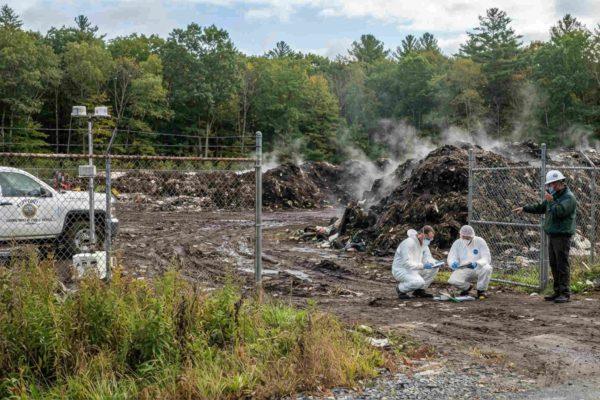
In the quiet town of Pepperell, Massachusetts, near the New Hampshire border, residents have been grappling with an overwhelming stench that many describe as rotting seafood. The source: a 20-acre property where the owner launched a composting operation without the necessary permits, piling up fish carcasses, shells, and other organic waste that has turned the air foul.
The odor has been so intense that families say they can no longer enjoy their own backyards. "It's like living next to a dumpster that never gets emptied," one resident told local media. The town administrator noted that the smell has forced many to keep windows shut and alter daily routines, turning homes into prisons of sorts.
Legal action and fines
After multiple warnings went unheeded, the town of Pepperell took the property owner to Middlesex County Superior Court. The lawsuit argues that the composting operation violates local zoning laws and state air pollution regulations. As pressure mounted, the town began imposing daily fines of $300 on the owner, a clear sign that patience had run out.
The owner, however, has dismissed the lawsuit as frivolous, insisting that the smell has already dissipated. But community complaints flooding municipal emails tell a different story. The situation echoes similar disputes across the U.S., where odor nuisances end up in court to protect public health.
This isn't the first time that property disputes have made headlines in the region. For instance, Miami's historic Al Capone courthouse remains unsold after an auction stalled, showing how property issues can drag on. And in Texas, cities are weighing property tax hikes to close budget gaps, a reminder that local governance often hinges on such matters.
Temporary agreement to clean up
Under mounting legal pressure, both parties have now agreed to a temporary court order. The owner must halt all composting activities and remove the accumulated waste by September 28. The fines are paused as long as the deadline is met, but any failure could bring them back with interest.
For the residents of Pepperell, the hope is that this marks the end of the nauseating ordeal. "We just want our town back," said a local shopkeeper. The case serves as a reminder that environmental regulations exist for a reason, and that community well-being often takes precedence over individual business ventures.
As the cleanup begins, the town is also looking at ways to prevent similar incidents in the future, including stricter enforcement of composting permits. For now, the smell may soon be a thing of the past, but the legal battle could set a precedent for how such disputes are handled elsewhere.