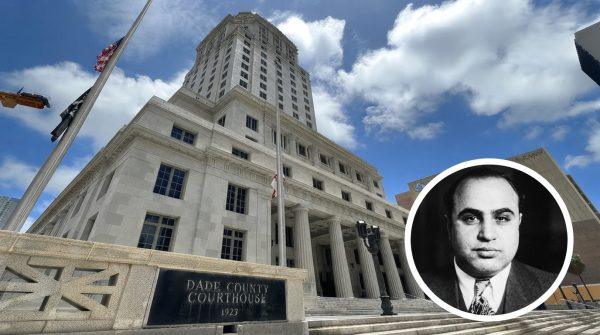
Miami's historic courthouse, the site of Al Capone's 1931 acquittal on perjury charges, is still waiting for a buyer. The online auction on GovDeals closed without a single formal bid, prompting Miami-Dade County to extend the deadline to September 18. The property, listed at a minimum of $35.41 million, is being sold "as is," with no county guarantees—a tough sell for a century-old building that needs significant investment.
A landmark with a complicated past
Built between 1925 and 1928, the courthouse at 73 West Flagler Street was designed by architect A. Ten Eyck Brown. It earned a spot on the National Register of Historic Places in 1989, and in 2020, additional protections were added to preserve areas like courtroom 6-1, where Capone faced trial. The building's rich history—from hosting the infamous mobster to serving as a symbol of Miami's growth—makes it a cultural treasure, but that same history is now a hurdle for developers.
Local officials have been trying to offload the property to avoid the soaring maintenance costs, which have exceeded $32 million in recent years. The county has invested heavily in upkeep, but the building still shows signs of wear. "The structure has passed its 40-year certification, and we continue to maintain it," a county spokesperson said. "But the financial burden is real, and we need a buyer who can take on the challenge."
Why no one's biting
The main obstacle is the building's interior layout. With low ceilings and small floor plates, it's not easily converted into modern office space. Preservation laws restrict what can be changed, making any redevelopment a delicate balancing act. Some experts, like architect Zion Mass, believe a boutique hotel could work, capitalizing on the original mosaics, marble floors, and vintage elevator doors to create a unique experience. "Imagine a hotel where you can sip a cocktail in a courtroom-turned-lounge," Mass said. "It's a story that sells itself."
But the costs are steep. Adapting a historic structure to meet current building codes while preserving its character is expensive, and the "as is" sale transfers all risk to the buyer. Investors are also wary of the county's strict oversight, which adds layers of approval and potential delays. The property sits on 1.66 acres near the Government Center, close to public transit, but that prime location hasn't been enough to spark interest.
What's next?
The county remains firm on its asking price and conditions. "We're looking for a solvent bidder who understands the value of this landmark," said a county official. "The deadline is September 18, and we're open to serious offers." Meanwhile, the building continues to be a talking point in Miami's real estate circles, with some seeing it as a golden opportunity and others as a money pit.
For now, the courthouse stands as a silent witness to history, waiting for someone to write its next chapter. Whether it becomes a hotel, luxury residences, or something else entirely, its future hinges on finding a buyer willing to invest in preserving a piece of Miami's soul. As the city evolves, this iconic structure remains a reminder of a bygone era—and a challenge for those who dare to reimagine it.