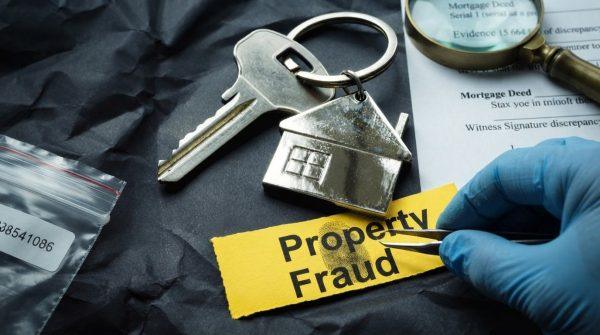
Los Angeles, a city known for its sprawling luxury estates and celebrity enclaves, is facing a new kind of invasion. Organized criminal networks are systematically seizing high-end homes using forged documents, turning vacant mansions into illegal residences. This isn't a simple case of trespassing—it's a calculated scam that exploits weaknesses in California's legal system, leaving homeowners financially drained and emotionally devastated.
The modus operandi is chillingly efficient. Intruders target empty properties, often those listed for sale or undergoing renovations. They break in, change the locks, and quickly set up utilities in their names. Then comes the crucial step: they produce fake lease agreements or property deeds, meticulously crafted to appear legitimate. When police arrive, the squatters present these documents, forcing officers to treat the situation as a civil landlord-tenant dispute rather than a criminal matter. This classification prevents immediate arrests and drags the process into months of legal battles.
Moses Castillo, a retired LAPD detective supervisor, is blunt about the need for a legal shift. "When someone forces a lock and claims residency, that's burglary with criminal intent," he says. "Authorities must investigate it as such from the very beginning, so owners don't bear the heavy burden of civil lawsuits while unauthorized individuals enjoy their assets." His call to action resonates with many victims who feel the system is stacked against them.
How the Scam Works and Why It Thrives
The squatters follow detailed instructions from online forums, building a veneer of legality that's hard to dismantle. They have official mail sent to the invaded address—bank statements, utility bills, even voter registration cards—to solidify their presence for any future government verification. This tactic makes it nearly impossible for owners to prove the property is theirs without a lengthy court order.
Another common practice is "cash for keys," where squatters demand large sums of money from the rightful owners just to leave voluntarily. This turns private property rights into a form of systemic extortion. The financial losses can be staggering: legal fees, lost rental income, and damage to the property often run into the tens of thousands of dollars. The emotional toll is equally severe, as homeowners watch strangers take over their investments with impunity.
This crisis has become a major legal and media dilemma. Victims expose how organized groups manipulate laws to perpetuate their stay, while legitimate owners face a dangerous lack of protection. The complexity of the phenomenon has escalated, with some cases involving multiple properties and coordinated networks that span across Southern California.
Legal Tools and Prevention Strategies
California has taken steps to address the issue. Senate Bill 602 empowers property owners to send electronic authorizations to police departments, allowing the removal of intruders without the owner's physical presence. This regulation grants operational validity for up to three years for properties that are properly signed and closed to the public. However, executive eviction still requires a specific order from a civil judge and the direct intervention of the local Sheriff's Department.
Owners can also register their properties with the police department via access forms to prevent unauthorized interventions. The law strictly forbids property owners from attempting to remove squatters using force or personal interventions—doing so can lead to criminal charges. Authorities recommend protecting vacant homes through electronic monitoring systems and constant vigilance from private security firms.
For Latino homeowners in Los Angeles, many of whom have invested heavily in real estate as a path to stability and wealth, this scam is particularly alarming. The city's luxury market has seen a surge in interest from Latin American buyers and celebrities like Bad Bunny, J.Lo, and Shakira, who own stunning properties in the area. As their real estate choices show, these homes are more than just investments—they're symbols of success and cultural pride.
The broader context of California's housing crisis adds another layer. With affordable housing projects struggling to keep pace with demand, the squatter scam exploits a system already under strain. Meanwhile, the migration of wealth from California to markets like Miami, driven by the state's billionaire tax, has reshaped luxury real estate dynamics. As this trend continues, the need for robust property protections becomes even more urgent.
For now, homeowners are left navigating a legal maze. The scam is a stark reminder that even the most luxurious homes are vulnerable to those who know how to game the system. As Castillo puts it, "We need to redefine these incursions as serious criminal offenses. Otherwise, the burden falls on the victims, and the criminals keep winning."