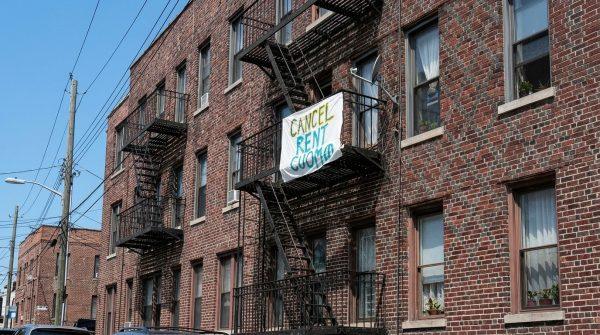
In a landmark move for housing justice, New York City lawmakers have approved the Community Opportunity to Purchase Act, granting tenants and qualified nonprofits a crucial advantage when landlords decide to sell their buildings. The legislation, passed by a 38-vote majority in the City Council on October 22, is designed to keep long-term residents in their homes and stem the tide of displacement caused by speculative real estate deals.
Council Member Sandy Nurse, who sponsored the bill alongside a coalition of over 200 community organizations, hailed the victory as a turning point. “This is an example of what happens when tenants, organizations, and progressive lawmakers not only fight real estate lobbying groups, but win,” she said. The bill now heads to Mayor Zohran Mamdani, who has publicly committed to signing it into law.
How the new law works
Under the new framework, the Department of Housing Preservation and Development will certify nonprofits and community land trusts to receive early notification when a landlord intends to sell a covered residential property. These organizations will have a 20-day window to express interest and an additional 70 days to submit a competitive offer or match a private buyer's price. This gives tenants and their advocates a real shot at acquiring buildings before they fall into the hands of investors who might hike rents or neglect maintenance.
The law applies to distressed buildings with four or more units, as well as properties with up to 100 units that are subject to affordability restrictions. It explicitly excludes four- and five-unit buildings where the owner lives on-site, and clarifies that rent-stabilized status alone does not guarantee coverage. This targeted approach aims to focus on the most vulnerable housing stock.
For many in the Latino community, this is personal. Across neighborhoods like Washington Heights, the Bronx, and Corona, Queens, longtime residents have watched their rents soar and their neighbors pushed out. “This is about giving tenants a voice in the future of their own neighborhoods,” said Ann Maitin, a tenant activist. “It doesn't automatically make renters into owners, but it shifts the balance of power.”
The urgency of the measure is underscored by recent data. Municipal Comptroller figures show a 15.3% drop in StreetEasy listing inventory, while citywide rents have climbed 5.6% since last year. Manhattan rents have jumped 37% and Brooklyn rents 38% since September 2019, even as sales prices have remained relatively flat. The crisis is particularly acute for working-class families, many of them Latino, who spend a disproportionate share of their income on housing.
Advocates spent six years pushing for this legislation, overcoming mayoral vetoes and fierce opposition from real estate lobbyists. Their persistence paid off, but not without controversy. Property owner groups have voiced strong concerns. Kenny Burgos, executive director of the New York Apartment Association, told amNewYork that the priority purchase rules fail to address the underlying costs of building maintenance. Ann Korchak, president of the Small Property Owners Board, told Bisnow that the measure devalues buildings owned by immigrant families and accused officials of using self-created policy issues to intervene in private property.
Online, the debate has been heated. Critics on social media have alleged that the city intends to transfer private property to nonprofits, while supporters counter that the law simply levels the playing field. The measure is part of a broader push for housing justice in the city, including fast-tracked affordable housing in 12 neighborhoods and new affordable units in the Bronx.
For now, the focus is on implementation. The city will need to certify nonprofits and set up the notification system, a process that could take months. But for tenants like those in the Latino enclaves of Bushwick and East Harlem, the law offers a glimmer of hope. As Nurse put it, “This is what happens when we organize and win.”