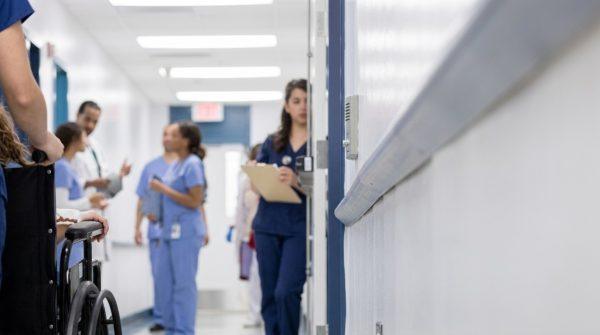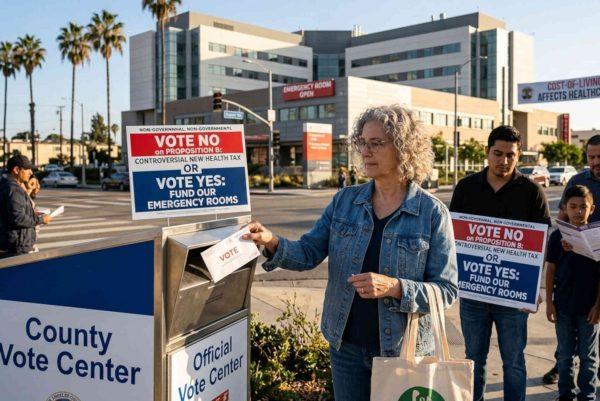
Los Angeles County voters will head to the polls on June 2, 2026, to decide on a controversial half-cent sales tax increase designed to shore up the region's public health system. The measure, pushed by the Board of Supervisors, responds to federal funding cuts of more than $2 billion under the One Big Beautiful Bill, which threatens the stability of local hospitals and clinics.
If approved, the sales tax rate in Los Angeles County would rise from 9.75% to 10.25%, generating an estimated $1.5 billion annually over five years. The funds would be used to maintain medical services, prevent emergency room closures, and support the thousands of residents who lost Medi-Cal coverage and now rely solely on county health facilities for care. Chronic conditions like diabetes and asthma, which disproportionately affect Latino communities, are a key focus.
A Tax at a Tough Time
The proposal arrives as Angelenos grapple with soaring costs for gasoline, groceries, and housing. Business leaders and chambers of commerce argue that adding another tax burden is counterproductive for families already stretched thin. Paul Little, president of the Pasadena Chamber of Commerce, told local media that costs are rising across the board, making this vote a challenge for a historically tax-tolerant electorate when it comes to healthcare.
Unlike previous health tax proposals that required a two-thirds supermajority, this measure is structured as a general levy, meaning it needs only a simple majority to pass. That change gives the county more flexibility in how it uses the funds, but also makes it easier to approve—a point of contention for opponents who want stricter oversight.
For many in the Latino community, the stakes are personal. County hospitals serve a large share of uninsured and underinsured residents, including many Mexican, Central American, and other diaspora families. Advocates from SEIU and other unions have ramped up social media campaigns and marches to raise awareness, emphasizing that the tax is a lifeline for essential services. As one organizer put it, “This isn't just about numbers—it's about keeping our families healthy.”
If voters reject the measure, county officials warn of dire consequences: emergency room closures, massive staff cuts, and a potential collapse of the public health network. The federal funding gap, they say, cannot be filled without local contributions. Yet critics counter that the tax is a Band-Aid on a broken system, and that the county should push harder for federal reimbursements or explore other revenue sources.
The debate echoes broader tensions across California, where the cost of living continues to squeeze working-class families. For Latino voters, who make up a significant share of the electorate, the decision will weigh the immediate need for accessible healthcare against the long-term burden of higher taxes. The outcome could set a precedent for how other counties respond to federal cuts in the years ahead.
As the June 2026 vote approaches, the conversation is likely to intensify. For now, Los Angeles County residents must decide whether a half-cent per dollar spent is a fair price for keeping their health system intact. For more on how Latino communities are navigating health challenges, read our piece on 7 Midlife Health Signs Latinos Shouldn't Ignore for Better Longevity and the California Primary June 2: Key Races and What Latino Voters Should Know.