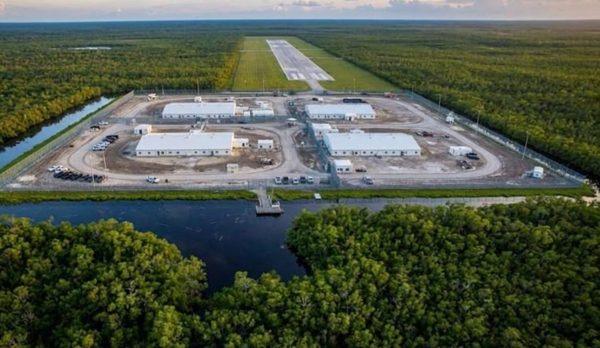
The state of Florida has confirmed the permanent closure of the detention center known as “Alligator Alcatraz,” a controversial facility in the Everglades that became a symbol of the state’s hardline immigration policies. The decision, announced by the Florida Division of Emergency Management (FDEM), comes after operating costs soared to nearly $1 billion and federal reimbursements stalled amid litigation and environmental concerns.
Located deep in the swamplands of South Florida, the center opened on July 3, 2025, with Governor Ron DeSantis praising it as a bold move to assert state control over border enforcement. But within months, the project turned into a financial drain. The FDEM formally notified contractors that the facility must be empty before the end of June 2026, marking the end of a short-lived experiment that many critics had labeled unsustainable from the start.
A Billion-Dollar Burden on Taxpayers
The primary driver behind the closure is money. Managing Alligator Alcatraz cost the state nearly $1 billion, with no clear path to full federal reimbursement. Out of a $608 million approved request, payments have been delayed due to lawsuits and environmental reviews. An additional $300 million in extra operating expenses remain unpaid, meaning the burden falls directly on Florida residents.
“Every day it remains open, the taxpayers are the ones paying,” warned sources close to the operation, highlighting the urgency to shut down the site before the debt escalates further. The state’s decision reflects a broader trend of rising costs in Florida that are affecting Latino homeowners and communities across the region.
The facility’s location in the Everglades also raised environmental red flags. The swampy terrain required extensive construction of high-security fencing, housing trailers, and emergency infrastructure, all of which will now be dismantled. Experts estimate that within a month of the last detainee leaving, the landscape will return to its natural state.
Controversy and Legacy
Alligator Alcatraz was never just a prison; it was a political statement. Inaugurated amid fanfare, it served as a symbol of Florida’s autonomy in immigration enforcement. But the center quickly drew criticism for its isolated conditions and human rights concerns. Advocacy groups argued that detaining people in such a remote and hostile environment was inhumane, especially for families and children.
The closure process will involve the staggered transfer of approximately 1,400 detainees to other facilities. Once the last inmate leaves, contractors will begin total decommissioning, including removal of all temporary structures. The land will then be reconverted to its original use: a minor airport for pilot training.
This decision comes as Florida grapples with broader economic pressures. The state’s housing market has seen price drops that affect Latino homeowners, and the closure of Alligator Alcatraz is another sign of shifting priorities. Meanwhile, the Miami Grand Prix is reshaping luxury real estate in South Florida, drawing attention away from the Everglades detention center.
As the state moves to settle accounts, the final impact of this penitentiary venture on the public budget remains unclear. But one thing is certain: the “Alligator Alcatraz” experiment has left a bitter taste for many Floridians, especially within Latino communities who felt targeted by its policies. The closure marks a rare victory for advocates who argued that such facilities do more harm than good.