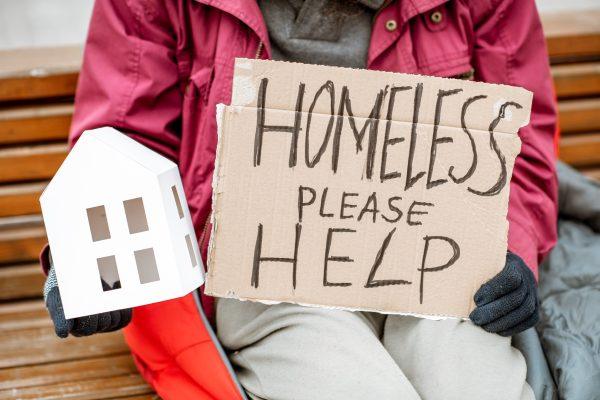
As California’s gubernatorial race heats up, a voice from the streets is forcing candidates to confront the human side of the housing crisis. Hannah Hartman, a 2018 college graduate who fell into homelessness after a mental health crisis, has built a following of over 15,000 on Instagram under the handle @homelessshackwithhan. She’s not just documenting her life in a converted Studio City warehouse shared with 90 other women—she’s demanding that politicians sit down with those who actually live the crisis.
Hartman’s story challenges the stereotypes many hold about homelessness. She’s educated, articulate, and determined to bridge the gap between public perception and the reality of shelter life. For her, the core issue isn’t just poverty—it’s isolation. “None of these people have ever had to try to get into a shelter,” she says bluntly, pointing to a disconnect between campaign promises and on-the-ground execution.
The Bureaucratic Maze Behind the Crisis
While candidates debate macroeconomic solutions, Hartman highlights the daily grind of navigating California’s shelter system. The idea that a homeless person can get a bed immediately is a myth, she argues. In practice, wait times stretch from six to eight weeks. Adding to the frustration is her federal disability pension application, started in 2023 and still unresolved. This leaves her in a financial limbo: she needs income but can’t earn more than $2,000 a month without losing assistance.
This bureaucratic trap is familiar to many in California’s Latino communities, who make up a significant portion of the state’s workforce and face deep inequalities, as a recent UCLA report found. The state’s housing crisis doesn’t discriminate, but its solutions often fail those most vulnerable.
Hartman’s call for political empathy is direct. She warns that homelessness isn’t a distant problem: “Even if you currently have housing, it can become your problem at any moment.” She’s formally offered to dialogue with any gubernatorial candidate willing to hear the raw truth from the streets. Her work aims to make voters and candidates question their own prejudices and recognize that behind every encampment or shelter is a human story the system has chosen to ignore.
For Latino voters, the housing crisis hits close to home. Latinos have hit a record 10.2 million homeowners, but the path to stability remains fragile. Meanwhile, models like California’s ‘rent now, pay later’ approach are gaining traction among Latino tenants, offering a lifeline but also raising questions about long-term affordability.
Hartman’s message is clear: the next governor must move beyond abstract policies and engage with the people living the crisis. As the June primary approaches, her voice adds a crucial perspective to a debate that often forgets the human cost.