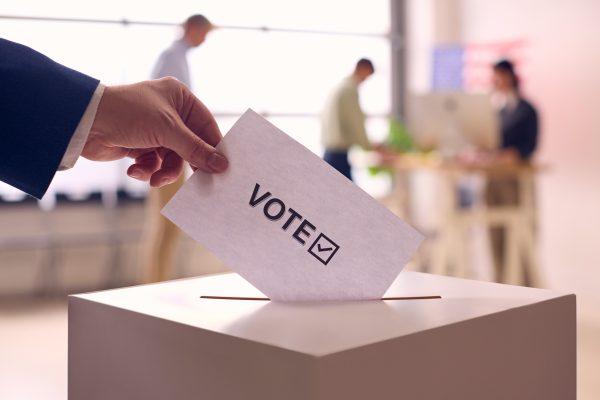
On Tuesday, June 2, California voters head to the polls for a primary election that will set the stage for November's general election. With Governor Gavin Newsom term-limited out, the race to lead the most populous state in the U.S. is wide open, and the outcome will have ripple effects across the West Coast and beyond.
California's top-two primary system means all candidates—Democrats, Republicans, and independents—appear on the same ballot. The two candidates with the most votes in each race advance to the general election, regardless of party. This system often leads to surprising matchups, especially in a state where Latino voters make up nearly a third of the electorate.
Governor's Race: A Crowded Field
The governor's race features 61 candidates, a reflection of California's political diversity. Among the leading contenders are San Jose Mayor Matt Mahan, former U.S. Secretary of Health and Human Services Xavier Becerra, former Congresswoman Katie Porter, political commentator Steve Hilton, and philanthropist Tom Steyer. Though Democrats Eric Swalwell and Betty Yee withdrew, their names remain on printed ballots.
Latino voters, concentrated in cities like Los Ángeles, San Diego, and the Central Valley, will be key in determining which two candidates advance. Issues like affordable housing, climate resilience, and immigration policy are top of mind for many in these communities.
Insurance Commissioner: A Climate-Driven Race
One of the most consequential races this year is for insurance commissioner. With wildfires becoming more frequent and severe—especially in regions like Sonoma and San Bernardino—home insurance premiums have skyrocketed. The next commissioner will regulate insurance companies and could influence rates for millions of homeowners.
Candidates include former San Francisco Supervisor Jane Kim and Republican insurance agent Stacy Korsgaden. For Latino families, many of whom own homes in fire-prone areas, this race has direct financial implications.
Other Key Races
The lieutenant governor's race features 16 candidates, including State Treasurer Fiona Ma and former State Senator Gloria Romero. The secretary of state race pits incumbent Shirley Weber against three challengers, while the attorney general contest to replace Rob Bonta includes Republican Michael Gates and Independent Marjorie Mikels.
Voters will also choose a state treasurer, controller, and superintendent of public instruction. The latter oversees California's K-12 system, where Latino students make up the largest ethnic group. Ten candidates are vying for that nonpartisan role.
How to Vote
California offers several voting options. Mail-in ballots can be returned via prepaid postage or dropped at official drop boxes located at parks, libraries, and government offices. In-person voting centers will be open on Election Day for those who need language assistance or prefer to vote in person.
For Latino voters, language access is a priority. Many voting centers offer Spanish-language materials and bilingual poll workers. The Secretary of State's office also provides a voter hotline in multiple languages.
This primary will shape California's direction on issues that matter deeply to Latino communities: from the rising cost of living driving a middle-class exodus to the struggles of small businesses facing tariffs and inflation. Every vote counts in a state where margins can be razor-thin.
As California navigates a changing political landscape, the June 2 primary is a chance for Latino voters to make their voices heard—not just in the governor's race, but in every contest that will define the state's future.