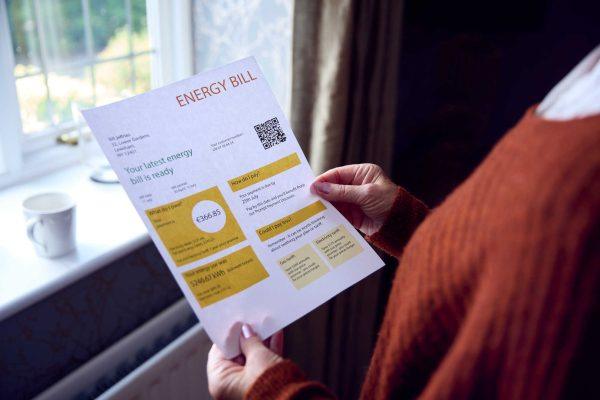
Los Angeles is no stranger to heat, but this summer's relentless waves have turned a seasonal annoyance into a financial crisis for thousands of households. With temperatures routinely topping 98°F, air conditioners have been running nonstop—and the bills that followed have been nothing short of staggering. The Los Angeles Department of Water and Power (LADWP) has seen charges climb to record levels, leaving many families in the Latino community and beyond scrambling to keep up.
The problem isn't just the heat. LADWP's three-tier rate structure, designed to discourage excessive use during peak summer months, pushes many customers into the highest-priced tier as soon as they turn on their cooling systems. But independent analysts point to a more fundamental issue: the baseline cost of electricity has jumped 23% in recent billing cycles, making even modest usage a heavy burden. For working families in Boyle Heights, Pacoima, or East LA, a comfortable home has become a luxury they can barely afford.
The outrage is palpable. More than 28,000 residents have signed a petition demanding answers, and the city controller has launched an investigation into the billing system. Some local businesses have reported combined water and power charges nearing $35,000—a figure that has drawn national attention and fueled calls for reform.
What's driving the spike?
LADWP officials defend the tiered system, arguing it encourages conservation during the hottest months. But consumer advocates counter that the real culprit is the rate hike itself, which has quietly raised the cost of every kilowatt-hour. "The heat is the trigger, but the rate increase is the bullet," says María González, a housing advocate in Los Angeles. "Families are being penalized for simply trying to stay safe in extreme temperatures."
The situation has also highlighted broader concerns about energy affordability in the city. As public transit becomes more popular as a cost-saving measure, many residents are looking for any way to trim expenses. But for now, the utility bill remains a stubborn and growing line item.
Financial help is available—if you know where to look
For those struggling to pay, LADWP offers a Level Pay plan that spreads summer spikes into fixed monthly installments over 12 to 36 months. This can be a lifeline for families who face a sudden, unmanageable bill. Additionally, low-income households may qualify for federal assistance through the LIHEAP program, which can provide up to $1,500 toward outstanding balances—provided applications are submitted before accounts go into delinquency.
Community organizations across the city are also stepping up. In partnership with local nonprofits, workshops are being held to help residents navigate the application process and understand their rights. "We're seeing people who have never missed a payment in their lives suddenly facing disconnection notices," says Carlos Rivera, a counselor at a Boyle Heights community center. "It's a crisis, but there is help out there."
Practical tips to lower your bill
While the investigation continues, experts recommend a few simple strategies to keep costs down. Setting your thermostat to 78°F is the single most effective step—it keeps you out of the highest billing tier. Ceiling fans can make the room feel cooler without extra energy use, and closing curtains or blinds during peak sunlight hours blocks heat from entering your home.
Shifting heavy appliance use—like laundry, dishwashing, and cooking—to off-peak hours (typically after 9 p.m.) can also reduce strain on your bill. Unplugging electronics on standby and taking advantage of LADWP rebates for attic insulation or energy-efficient appliances can lead to long-term savings.
For those who need immediate relief, the city's investigation may bring changes, but in the meantime, residents are urged to contact LADWP directly to discuss payment options. As the heat waves continue to intensify, staying cool shouldn't mean going broke. With the right tools and support, Los Angeles families can weather this storm—both literally and financially.