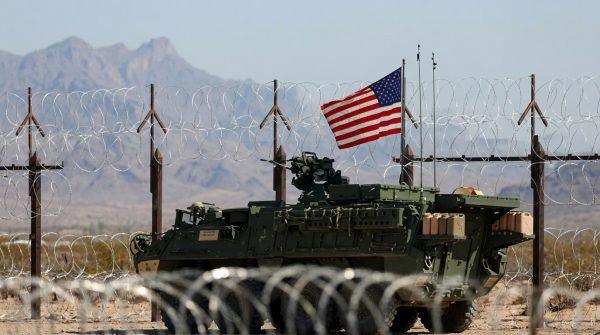
The U.S.-Mexico border is quietly becoming a laboratory for a controversial piece of military technology. The Department of Defense, under Secretary Pete Hegseth, has approved a seven-month loan of the Active Denial System (ADS) to the Department of Homeland Security (DHS). The goal: evaluate whether this invisible heat ray can be used as a non-lethal tool in border security operations.
The ADS, often described as a "pain ray," emits a high-frequency millimeter wave that penetrates about 0.4 inches into human skin, causing an intense burning sensation. The effect is immediate and involuntary—people flee the beam. While the Pentagon insists the sensation disappears once the person steps out of the beam's path, the psychological and physical impact is undeniable.
How the testing will work
According to internal documents obtained by CNN, the transfer was formalized in September 2026. The framework gives civilian agencies—like DHS and Customs and Border Protection—full control over the equipment, while military personnel will not participate directly in field tests. Each agency must develop its own use-of-force guidelines before the system is powered on.
This hands-off approach has raised eyebrows among analysts and watchdog groups. "The lack of specific operational protocols is troubling," says María Fernanda López, a border policy researcher at the Autonomous University of Ciudad Juárez. "We're talking about a weapon that can cause panic, and we don't even know where or how it will be deployed."
The device can target individuals up to 2,624 feet away, making it effective for dispersing crowds or deterring crossings without lethal force. But its proximity to the border—where rivers like the Rio Grande are natural crossing points—creates a dangerous scenario. A sudden wave of panic could push migrants into the water, leading to drownings.
There's also the diplomatic risk. If the beam accidentally crosses into Mexican territory, it could spark a bilateral incident. "The border is not a clean line," notes López. "A misdirected beam could easily affect people on the Mexican side, and that would be a serious violation of sovereignty."
This isn't the first time the ADS has raised concerns. In 2007, during a demonstration, two volunteers suffered burns that required medical attention. While the Pentagon downplayed the incident, it highlighted the system's potential for harm.
For now, the DHS Inspector General has set up a hotline (1-800-323-8603) and an online portal for complaints. Citizens who believe they've been affected can file grievances, but many remain skeptical. "This is a testing ground for immigration control technology," says activist and immigration attorney Ricardo Álvarez from El Paso. "We're being treated like lab rats."
The border has long been a site of experimentation—from surveillance drones to biometric data collection. The ADS is just the latest tool in a growing arsenal. But its deployment raises fundamental questions about the ethics of using military-grade technology on civilians, especially those fleeing violence and poverty.
As the testing unfolds, the Latino community on both sides of the border will be watching closely. The outcome could set a precedent for how the U.S. manages migration in the future. For now, the invisible heat weapon remains a shadowy presence, its true impact yet to be measured.
For more on border-related stories, check out our coverage of chupacabra sightings near Juárez and the environmental impact of AI data centers along the Texas-New Mexico border.