The Pacific Ocean turned violent along the Southern California coast this week, and Long Beach bore the brunt. Homeowners watched in disbelief as towering waves smashed through the city's protective seawall, turning residential streets into rushing canals and sweeping away vehicles in a matter of minutes. What began as an unremarkable morning quickly became a nightmare, with mandatory evacuation orders and emergency crews going door-to-door to guide families to safety.
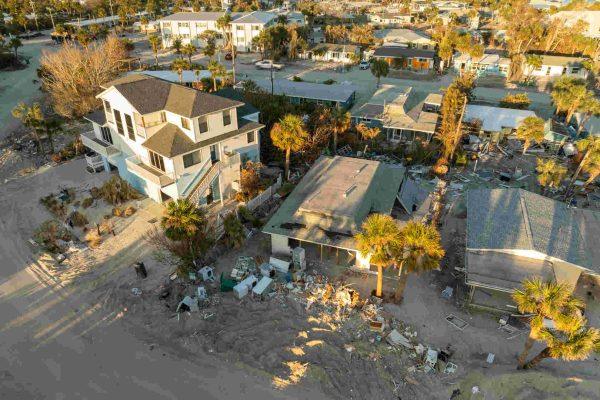
The fury of the sea was relentless. Sections of the boardwalk were torn apart, and the breakwater—Long Beach's first line of defense—was breached in multiple places. Residents described the terrifying sight of water and debris invading their properties, despite frantic efforts to fortify front doors with sandbags and wooden planks. The damage extended far beyond flooded garages and ruined cars; constant erosion began undermining the foundations of homes along the shoreline, raising serious questions about their structural integrity.
A community under siege
For many in this coastal enclave, the losses are total. Brand-new vehicles were carried off like toys, and personal belongings were swallowed by the surge. The emotional toll is as heavy as the physical destruction. “We've lost everything,” said María González, a lifelong resident whose family home has stood near the water for three generations. “We tried to prepare, but the water came in so fast. It didn't matter what we did.”
The disaster has reignited a long-simmering debate about the vulnerability of coastal communities in the face of increasingly aggressive ocean behavior. Climate scientists have warned for years that rising sea levels and stronger storm surges would test the limits of existing infrastructure. Long Beach is now a stark example of those predictions coming true.
Local authorities have mobilized public works crews, who are working around the clock with heavy machinery to reinforce sand dikes ahead of the next high tide. But for many homeowners, the immediate concern is where to stay. Evacuees have been placed in hotels and emergency shelters, uncertain when—or if—they can return.
Demands for better warnings
In the aftermath, residents are raising their voices, demanding more effective and detailed early warning systems. Many say the first notice they received was the sight of waves crashing over the seawall, leaving them only minutes to react. “We need real-time alerts, not just a siren after the water is already at your door,” said Carlos Méndez, a father of two who lost his car and garage. “This can't happen again.”
The city has promised a review of its emergency protocols, but for now, the focus is on recovery. The scale of the damage is still being assessed, and officials warn that the full extent may not be known for days. Meanwhile, the ocean remains unpredictable, with forecasts suggesting more rough surf in the coming days—a reminder that the crisis is far from over.
This event also echoes broader concerns along the Pacific coast, where communities from Baja California to British Columbia are grappling with the same forces. In recent weeks, Hurricane Marie has stirred dangerous surf along California beaches, a precursor to the kind of swells that hit Long Beach. The connection between distant storms and local devastation is becoming impossible to ignore.
For now, Long Beach homeowners are left to pick up the pieces, their futures uncertain. The breakwater that once stood as a symbol of security is now a pile of rubble, and the community must decide how—and whether—to rebuild. As one resident put it, “We love this place, but we're not sure we can stay.”
The debate over coastal resilience is not unique to California. From Pensacola Beach weighing new rules to Florida homeowners getting permit relief, communities across the country are wrestling with how to adapt. But for those who watched their homes disappear under the waves, the urgency is personal.
As the waters recede, the true cost of this disaster is becoming clear. It's not just the millions in property damage—it's the loss of a sense of security that may never fully return.