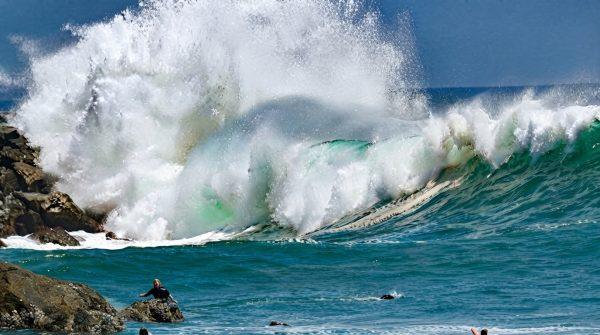
Hurricane Marie is making its presence felt along the California coast this weekend, even though the storm itself will stay far out at sea. The system, currently positioned about 380 miles southwest of Baja California, is generating powerful swells that are expected to reach Southern California beaches, creating hazardous conditions for swimmers and surfers alike.
According to the National Hurricane Center, Marie is packing maximum sustained winds of 85 mph and moving west-northwest at 10 mph. While the storm is forecast to intensify over the next 48 hours before gradually weakening, its impact on the coast will be felt long before any landfall—which, officials confirm, will not happen on U.S. soil.
The main threat comes from rip currents, which can pull even the strongest swimmers out to sea without warning. Local lifeguard agencies are on high alert, deploying extra rescue teams and monitoring conditions along the entire coastal strip from San Diego to Santa Barbara.
Why distant storms can be so dangerous
Oceanographers point out that the most dangerous surf often comes from storms that are hundreds of miles away. The ocean surface may look deceptively calm, but deep-water swells travel vast distances, carrying enormous energy that breaks suddenly near the shore. This is why clear skies and warm weather can coexist with deadly conditions in the water.
“People see a beautiful day and think it’s safe to go in,” said a spokesperson for the Los Angeles County Lifeguard Division. “But the ocean is not a pool. These swells can generate powerful rip currents that are invisible from the beach.”
Authorities are urging beachgoers to check local forecasts and heed all posted warnings. Many beaches may see temporary closures, especially in areas known for strong rip currents, such as Zuma Beach in Malibu, Huntington Beach Pier, and La Jolla Shores.
For those who do get caught in a rip current, the advice is simple: swim parallel to the shore until you escape the current, then swim back to land. Do not fight the current directly—it will only exhaust you.
Local municipalities are coordinating with the National Oceanic and Atmospheric Administration (NOAA) to receive real-time updates on wave heights and surf conditions. Emergency crews are also patrolling jetties and rocky areas, where large waves can easily sweep people off their feet.
This weekend’s conditions are a reminder that the Pacific Ocean demands respect, especially for the many Latino families and visitors who flock to California’s beaches during the late summer. Whether you’re a seasoned surfer or a first-time visitor, the ocean’s power is not to be underestimated.
For more on how to stay safe during extreme weather, check out our guide on California heat wave safety. And if you’re planning a trip to the coast, remember that tropical storms can affect beaches far from their path.
Stay informed, stay safe, and enjoy the ocean from a distance this weekend.