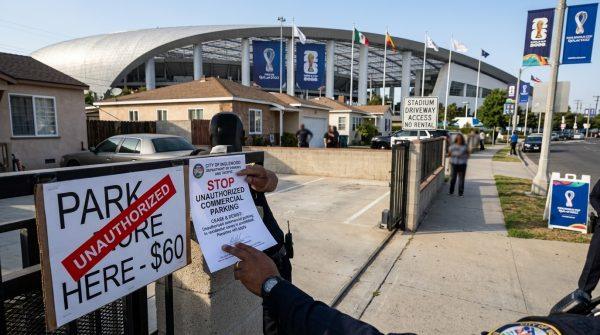
As the 2026 FIFA World Cup approaches, Inglewood residents are eyeing a lucrative opportunity: renting out their driveways and garages to soccer fans heading to SoFi Stadium. But city officials have a clear message: proceed with caution, or face costly penalties.
The Inglewood Department of Parking and Traffic has issued a firm warning that any commercial parking operation on residential property requires a formal permit and a valid business license. Without these, homeowners risk violating local zoning ordinances and incurring fines that could far outweigh any short-term profits.
This isn't just about red tape. The city is coordinating with FIFA and the Los Angeles County Metropolitan Transportation Authority to manage the massive influx of visitors. Unauthorized parking can disrupt traffic flow, block emergency vehicle access, and create bottlenecks in residential neighborhoods. As one city official put it, “We’re not trying to stop residents from making money, but we need to ensure safety and order.”
Why Residents Are Tempted
With official FIFA parking lots charging premium rates, many fans are looking for cheaper alternatives. Local homeowners have been known to offer spaces for $50 to $80 per game—a significant discount compared to official prices. Plus, private driveways often provide closer access to the stadium, making them a convenient option for thousands of attendees.
This informal market is nothing new in Los Angeles, where residents have long rented out parking during major events like Lakers games or concerts at the Hollywood Bowl. But the scale of the World Cup—expected to draw hundreds of thousands of visitors to Inglewood alone—has prompted stricter enforcement.
For context, similar debates have emerged in other host cities. In Houston, for example, World Cup spending has sparked debate among residents and activists about how public funds are allocated. Inglewood's approach focuses on regulating private enterprise to prevent chaos.
What Residents Need to Know
To legally rent out parking spaces, Inglewood homeowners must secure a commercial parking permit from the city and register with the California Department of Tax and Fee Administration. This ensures that income is reported and that the operation meets safety standards outlined by the National Fire Protection Association and the U.S. Department of Homeland Security.
The city warns that enforcement will be strict during the tournament. Inspectors will monitor neighborhoods near the stadium, and violators could face fines that erase any earnings. “The penalties are designed to deter unauthorized activity,” said a spokesperson for the Inglewood Parking Authority. “We encourage residents to do it the right way.”
For those considering this side hustle, the message is clear: get the paperwork done early. The city offers guidance on its website, and officials recommend attending community workshops planned for early 2026.
This story also touches on broader themes of economic opportunity and regulation in Latino communities. Many Inglewood residents are Latino, and the World Cup represents a chance to generate income in a city where housing costs are high. Yet the tension between informal entrepreneurship and municipal control is a familiar one across the Americas—from street vendors in México City to garage sales in Bogotá.
As the tournament draws nearer, Inglewood will likely see more such debates. For now, the city’s advice is simple: follow the rules, or risk losing more than you gain.