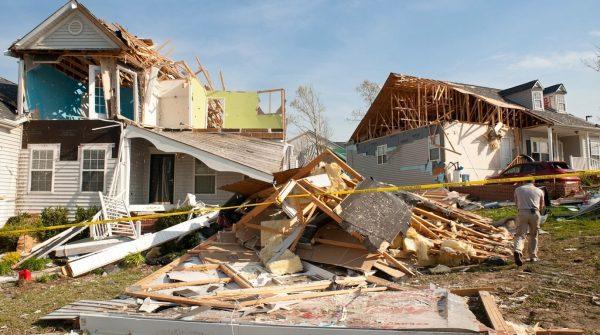
When severe weather hits, federal disaster aid can be a lifeline for families trying to rebuild. But every year, thousands of applicants in the United States—including many in our Latino communities—lose out on FEMA assistance because of simple, preventable mistakes on their applications. Understanding the process and avoiding these pitfalls can make the difference between receiving the help you need and facing a denial.
Why FEMA Applications Get Denied
FEMA's Individual Assistance program is designed to help homeowners and renters recover from disasters, but it comes with strict requirements. The agency reviews every application thoroughly, and even minor errors can trigger a rejection. According to experts, the most common reasons for denial include submitting false or incomplete information, failing to verify your identity, not proving the damaged property was your primary residence, omitting insurance details, and filing duplicate applications.
One of the biggest mistakes is providing inaccurate data. FEMA and the Department of Homeland Security take false claims seriously, and submitting incorrect information can lead to investigations, repayment demands, or even legal consequences. It's crucial to double-check every detail before hitting submit.
Common Mistakes to Avoid
- False or incomplete information: Even a small error can delay or deny your application. Be precise and honest.
- Lack of identity verification: If FEMA asks for proof of identity, respond quickly. Ignoring these requests can stall your case.
- Failure to prove primary residence: You must show that the damaged home was where you lived at the time of the disaster. Utility bills, lease agreements, or property tax records can help.
- Omitting insurance: FEMA requires you to report any home or flood insurance you have. If you don't, or if you fail to submit your insurer's decision, your application may be denied.
- Duplicating applications: Submitting multiple requests for the same household creates confusion and delays. One application per household is the rule.
For many Latino families, there's an additional layer of concern: immigration status. FEMA allows households with U.S. citizen minors to apply using the child's Social Security number, even if the adults have certain immigration restrictions. This is outlined in the FEMA Individual Assistance Guide, and it's important to know your rights.
What to Do If Your Application Is Denied
If you receive a denial letter, don't lose hope. You have 60 days to file an appeal. The appeal should include new or additional information that addresses the reason for the denial. Experts suggest attaching a detailed explanation letter, receipts for temporary repairs, and any other evidence that supports your claim. You can also submit your appeal online through FEMA's official portal.
Remember, FEMA can provide supplemental funds if your insurance only partially covers the damage. To access this, you must submit your insurer's resolution letter. Keeping thorough records—photos of the damage, receipts for expenses, and copies of all correspondence—will strengthen your case.
Practical Tips to Prevent Denial
- Take photos of all structural damage before you start cleaning up.
- Keep every receipt for emergency supplies, repairs, and temporary housing.
- Respond to any FEMA requests for additional information as soon as possible.
- Use official channels like DisasterAssistance.gov to track your application status.
For those navigating the aftermath of a disaster, the paperwork can feel overwhelming. But taking the time to get it right can secure the funds you need to rebuild. And if you're looking for other ways to protect your family, check out our guide on avoiding common scams or learn about avoiding costly fines in the city. Staying informed is the first step to staying safe.
As communities across the country recover from recent storms, proper administrative management is key. By avoiding these common mistakes, you can ensure your application has the best chance of approval—and that your family gets the support it deserves.