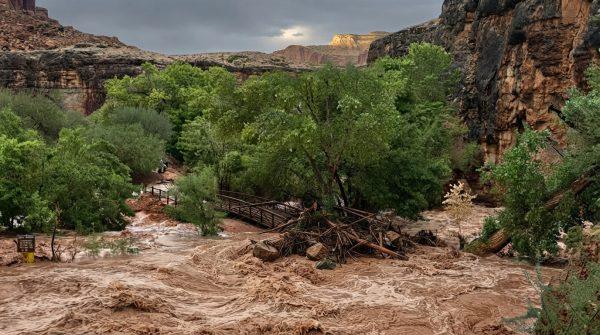
The tragic deaths of two hikers and the disappearance of a third at the Grand Canyon over the weekend have put a spotlight on the deadly power of monsoon flash floods. The sudden torrents, which struck near Bright Angel Creek, also forced the rescue of dozens of visitors who were caught off guard by the rapidly rising water. The incident is a stark reminder that the beauty of the Southwest's canyons comes with a hidden, often lethal, risk.
Monsoon season in northern Arizona officially runs from June 15 to September 30, but as the National Weather Service points out, the timing and intensity can vary dramatically. This year, a combination of extreme heat and moisture from the Pacific and the Gulf of California has created a volatile atmosphere. When that moisture meets the region's rugged terrain, storms can explode with little warning, dumping massive amounts of water in a short period.
What makes these floods so dangerous is their unpredictability. Rainfall can be highly localized—one community might stay dry while a nearby canyon gets hit with a cloudburst. The water then funnels down steep walls and narrow gorges, turning dry washes into raging rivers in minutes. This is exactly what happened at the Grand Canyon, where hikers had little time to react.
Why the danger is spreading
The threat isn't confined to Arizona. New Mexico, Utah, and Colorado are all part of the broader monsoon zone, and forecasters have issued warnings for parts of the Great Basin and the central Rockies as well. The same atmospheric dynamics that fueled the Grand Canyon tragedy are now threatening other western states, and emergency management agencies are urging residents and visitors to stay alert.
“The terrain remains completely unstable,” said a spokesperson for the National Weather Service. “Even after the immediate threat passes, the ground is saturated, riverbeds have shifted, and the risk of mudflows and flash floods continues.” This is a critical point for anyone planning to explore the backcountry in the coming weeks.
Park rangers have restricted access to some of the most vulnerable trails, and federal inspectors are assessing the damage. The sheer volume of water has caused extensive erosion, and some paths will need significant repairs before they can safely reopen. For now, visitors are being urged to check weather forecasts and heed all warnings before heading out.
For the Latino community, many of whom have deep ties to the Southwest and often visit these natural wonders with family, the message is especially important. Whether you're a seasoned hiker or a first-time visitor, understanding the risks of monsoon season can mean the difference between a memorable trip and a tragedy.
As the region continues to deal with the aftermath, the focus is on prevention. Local agencies are distributing educational materials about flash flood safety, and officials are using advanced radar to monitor storms more closely. But ultimately, the responsibility also falls on individuals to make smart choices.
“We can't control the weather, but we can control how we prepare,” said a park ranger. “Check the forecast, avoid narrow canyons when storms are possible, and never underestimate how fast the water can rise.”
The Grand Canyon tragedy is a somber reminder of nature's power. As the monsoon season continues, the hope is that these lessons will help prevent future loss of life. For those planning trips to the region, staying informed is the first step. For more on how extreme weather is affecting communities, see our coverage of flood-related aid in Texas and the rising flood risks facing Latino communities in New York.