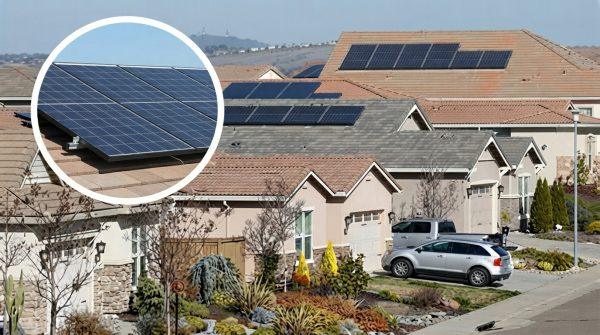
For millions of Californians who rent or live in apartments, the dream of harnessing solar energy has always felt out of reach—until now. On September 30, 2026, Governor Gavin Newsom signed the Plug-and-Play Solar Energy Act (Senate Bill 868), a measure that will let households plug small solar devices directly into standard wall outlets starting January 1, 2027. The law, championed by state Senator Scott Wiener, is a game-changer for renters, condo owners, and anyone whose roof isn't an option.
A solar option for those without rooftops
Traditional rooftop solar panels require ownership, structural integrity, and often complex permitting. That leaves renters and apartment residents—many of them Latino families in cities like Los Angeles, San Francisco, and San Diego—without access to clean energy savings. The new law changes that by allowing compact solar panels to be placed on balconies, patios, or fences, as long as they get direct sunlight. These devices plug into a 120-volt outlet and feed electricity directly into the home, reducing the amount of power drawn from the utility grid.
Senator Wiener emphasized the law's practical impact: “This legislation puts citizens in charge of their utility bills,” he told the Los Angeles Times. For households already stretched by high rents and energy costs, the ability to shave a few dollars off the monthly electric bill is significant. In fact, San Francisco's sky-high rents have made every saving crucial for Latino renters.
How it works: simple, safe, and certified
The devices are limited to 1,200 watts of alternating current per home—enough to power essential appliances like refrigerators and low-consumption electronics. They must be certified by Underwriters Laboratories (UL) or an equivalent recognized lab, ensuring safety and reliability. The law also includes a protection mechanism that automatically cuts off power during outages, preventing backfeed that could endanger utility workers.
For utilities, the process is streamlined: homeowners only need to submit a simple digital notification with their address, device brand, model, and wattage. No complex interconnection agreements or prior approvals are required. This removes a major bureaucratic hurdle that often discouraged renters from even considering solar.
Market readiness and industry response
While the law takes effect in 2027, manufacturers are racing to get certified products to market. Bernadette del Chiaro, senior vice president of the Environmental Working Group, said at least two companies expect approval before the end of 2026. However, Pacific Gas & Electric (PG&E) has expressed reservations. Spokesperson Paul Doherty noted that operational details still need to be defined to ensure consumer protection and service affordability. The utility is concerned about grid stability and how maintenance costs will be distributed.
These concerns are being addressed through complementary legislation—Senate Bills 905 and 913, introduced by Senator Josh Becker—which require utilities to report available grid capacity and evaluate whether distributed resources can avoid costly infrastructure upgrades. The bills also create pathways for grouping these devices into virtual power plants, allowing them to contribute energy to the grid during peak demand.
What this means for Latino communities
For Latino households, who are disproportionately renters in California's urban centers, this law offers a tangible way to participate in the clean energy transition. It also aligns with broader efforts to make solar accessible to all, regardless of housing status. As rental scams continue to plague the market, this new option provides a legitimate way for renters to gain some energy independence.
The law also exempts equipment-related charges until January 1, 2030, unless the legislature extends the exemption. This makes the upfront cost more manageable for families on tight budgets. With the state's commitment to reducing greenhouse gas emissions, this plug-and-play approach could become a model for other states with large renter populations.
As the first certified devices hit the market, Californians—especially those in apartments and rented homes—will finally have a chance to turn their balconies into mini power plants. It's a step toward a more equitable energy future, one where clean power isn't just for homeowners with deep pockets.