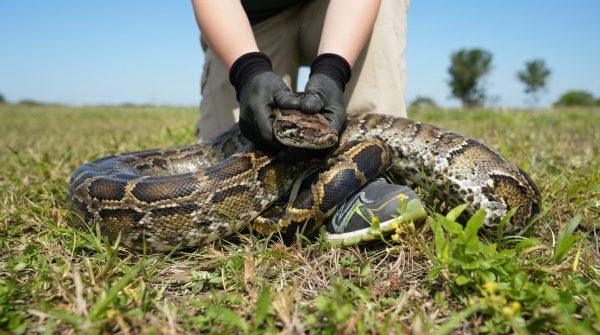
In the wetlands of South Florida, a unique workforce is on the front lines of an ecological battle. Python hunters, contracted by state agencies, spend their days navigating the Everglades in search of Burmese pythons, an invasive species that has wreaked havoc on native wildlife. Their mission is clear: remove as many snakes as possible, and the state pays them for their efforts.
The Florida Fish and Wildlife Conservation Commission (FWC) oversees a structured compensation system that includes hourly wages and performance bonuses. Hunters can earn up to $30 per hour in designated premium zones, with additional bounties based on the length of each python captured. For every foot of snake, they receive $50, meaning a 10-foot python nets $500. This incentive structure encourages hunters to target larger specimens, which are often the most damaging to the ecosystem.
Why Florida is investing in python removal
The Burmese python, introduced to the region in the 1970s through the exotic pet trade, has found a perfect habitat in the Everglades. With no natural predators and a high reproductive rate, their population has exploded, threatening native species like marsh rabbits, wading birds, and even alligators. The state has responded with aggressive control measures, including the Python Action Team (PATRIC) and annual public competitions like the Florida Python Challenge.
These efforts are not just about protecting individual animals; they are about preserving the delicate balance of the entire Everglades ecosystem. As one hunter put it, "Every python we remove is a victory for the native wildlife that has no defense against these invaders."
How the payment system works
Hunters enrolled in the South Florida Water Management District program earn tiered hourly rates: $14 in regular zones, $20 in premium areas, and $30 in ultra-premium sectors. They can work up to 10 hours a day, and additional rewards are available for finding active nests ($200) and for capturing the longest python each month ($400). Top performers can earn monthly bonuses of up to $1,500, making this a viable income for dedicated hunters.
The program also offers a $50 reward for documenting and releasing transmitter-equipped research snakes, which helps scientists track python movements and behavior. This data is crucial for developing more effective control strategies.
Who can become a python hunter?
Applicants must be at least 18 years old, hold a valid driver's license, and pass a criminal background check. They also need to demonstrate experience handling large constrictor snakes safely. The state provides training through programs like the Python Patrol, which teaches citizens how to identify and report sightings. For those who want to take a more active role, the annual Florida Python Challenge is open to the public, with prizes totaling $25,000.
This year's challenge drew 907 participants from 30 states and even from Canada and Vietnam. The grand prize of $10,000 went to Tom Rahill, who captured 96 pythons during the 10-day event. The competition not only removes snakes but also raises public awareness about the invasive species problem.
Since the program's inception, hunters have removed over 23,500 pythons, logging more than 254,000 search hours. The largest python ever captured measured 5.72 meters (nearly 19 feet). These numbers highlight the scale of the challenge and the dedication of those involved.
For Latinos in Florida, this issue hits close to home. Many hunters and conservationists trace their roots to Latin American countries where similar invasive species problems exist. The fight against pythons is a reminder of the importance of protecting biodiversity, a value shared across cultures. As the state continues to invest in these efforts, the message is clear: Florida is serious about controlling this invasive threat, and it's willing to pay for results.