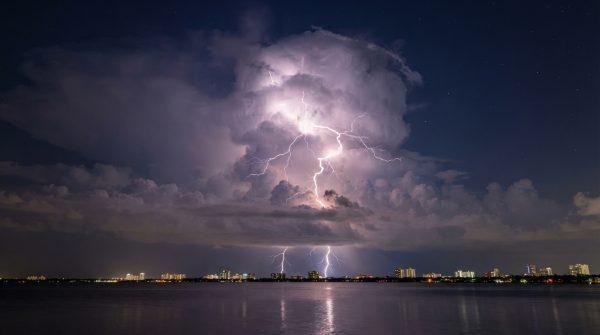
Florida's storm season has turned deadly. With five lightning-related fatalities already recorded in 2026, the state leads the nation in lightning deaths, according to the National Weather Service. For a region where thunderstorms are as familiar as morning coffee, these numbers are a stark reminder that lightning remains one of the most unpredictable and lethal forces of nature.
For Latinos across Florida—from Miami's bustling streets to the agricultural communities of Homestead and Immokalee—this is not just a statistic. Many of us grew up with abuelos' warnings about storms, but some of those old sayings are not just outdated; they're dangerous. The National Weather Service and the Centers for Disease Control and Prevention are urging everyone to abandon these myths and adopt verified safety protocols.
Myth #1: Crouching down keeps you safe
One of the most persistent myths is that crouching low to the ground reduces your risk. Experts say this is false. No outdoor position is safe when lightning is nearby. The only real protection is to get inside a substantial building or a hard-topped metal vehicle. The Occupational Safety and Health Administration (OSHA) even mandates that outdoor work stop when thunderstorms are in the area. So next time you hear thunder, don't crouch—run for cover.
Myth #2: Lightning never strikes the same place twice
This is a classic, but it couldn't be further from the truth. Lightning frequently strikes the same tall, pointy, or isolated objects repeatedly. The Empire State Building gets hit dozens of times a year. In Florida, where palm trees and radio towers dot the landscape, repeat strikes are common. Always stay vigilant, even if a spot was hit moments ago.
Myth #3: Clear skies mean you're safe
You don't need rain or clouds overhead to be in danger. Lightning can strike more than three miles away from the storm's center—sometimes even 10 miles or more. This is known as a "bolt from the blue." Meteorologists warn that if you can hear thunder, you're close enough to be struck. The National Institutes of Health supports this: always seek shelter when thunder roars, even if the sky above you looks clear.
Myth #4: Touching a lightning victim is dangerous
Some people fear that touching someone who's been struck will give them an electric shock. That's a myth. The human body does not store electricity. It's completely safe to give first aid to a lightning victim. In fact, immediate CPR can save lives. Don't hesitate to help—your actions could be the difference between life and death.
Myth #5: Metal objects attract lightning
While metal conducts electricity, it doesn't attract lightning. Lightning is drawn to height, pointy shapes, and isolation. So that metal bracelet or your keys aren't going to make you a target. However, being the tallest thing in an open field will. The American Red Cross advises staying away from metal fences, bleachers, and other tall structures during a storm, but not because they attract lightning—because they conduct it.
Indoor safety: more than just closing the windows
Even indoors, you're not completely safe. Avoid using corded phones, computers, and other electronics that are plugged in. Stay away from plumbing—don't take a shower or wash dishes during a storm. And yes, that means no using the sink to wash your hands either. The CDC recommends staying off balconies and away from windows. If you're in a car, keep the windows rolled up and avoid touching metal parts.
Community action saves lives
Beyond individual safety, community education is key. Emergency management officials across Florida are pushing for neighborhood-level programs that teach these facts. In areas with large Spanish-speaking populations, like Miami-Dade and Orange County, bilingual outreach is essential. The message is simple: when thunder roars, go indoors. Share this with your family, your neighbors, and your coworkers. It could save a life.
Florida's lightning season is far from over. With the Labor Day weekend forecast calling for more storms, now is the time to review your safety plan. And while you're at it, check on other health risks in the region, like the recent dengue case surge and the flesh-eating bacteria warnings. Staying informed is the first step to staying safe.
Remember, lightning is a killer, but it's also predictable. By following these verified guidelines, you can protect yourself and your loved ones. Don't let a myth be the reason you become a statistic.