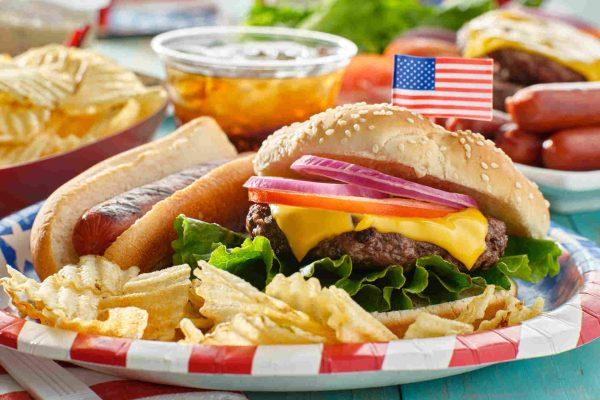
From the bustling streets of Mexico City to the grocery aisles of Los Angeles, ultra-processed foods have become a staple in many Latino households. But a new study published in JAMA Neurology is raising serious concerns about what these convenient products might be doing to our brains.
Researchers analyzed MRI scans from nearly 9,000 healthy adults aged 35 to 69, none with a history of cardiovascular disease. They found that those who consumed the most ultra-processed foods—think sodas, packaged snacks, sugary cereals—had a 40% higher likelihood of developing silent brain lesions in the white matter. These tiny, invisible damages are often precursors to cognitive decline and can go unnoticed for years.
A hidden toll on women's brain health
The study also revealed a striking gender disparity. Women in the highest intake group were nearly twice as likely to show these silent brain lesions compared to those who ate a more balanced diet. This is a wake-up call for many, especially in communities where traditional diets are being replaced by quick, processed options.
Beyond the brain, the research highlighted a troubling metabolic pattern. People who relied heavily on these foods also carried more visceral fat—the dangerous fat around the abdomen that's linked to heart disease and metabolic issues. This combination of brain and body risks paints a grim picture of the modern diet.
Dr. Sarah Johnson, a neurologist at a leading research institute, commented, "We're seeing changes in the brain that are typically associated with aging, but in younger and middle-aged adults. It's a silent epidemic."
Displacing whole foods, endangering health
As ultra-processed foods take up more space on our plates, they push out the fruits, vegetables, and whole grains that our bodies and brains need. In North America, these products now account for over 50% of daily caloric intake. This shift is not just a matter of nutrition—it's a public health crisis in the making.
For Latino communities, where food is often central to family and cultural identity, this is a particularly poignant issue. Traditional dishes like tamales, arepas, or ceviche are being replaced by fast food and packaged snacks. The loss is not just nutritional but cultural.
Researchers at McMaster University, who led the study, emphasize the need for long-term follow-ups with repeated MRI scans to see if reducing these foods can halt or reverse the damage. But they also stress that the current evidence is enough to start making changes now.
"We don't need to wait for more proof to know that eating whole, unprocessed foods is better for us," said Dr. Johnson. "The question is how we make that accessible and appealing to everyone."
This isn't just about individual choices; it's about the food environment we live in. From the cartel-linked mansions in Riverside to the king tides in South Florida, our surroundings shape our habits. But when it comes to our brains, the choices we make at the grocery store might matter more than we think.
As we navigate this processed-food landscape, it's worth remembering that our abuelitas knew what they were doing when they cooked from scratch. Maybe it's time to bring back those recetas de la familia and give our brains the nourishment they deserve.