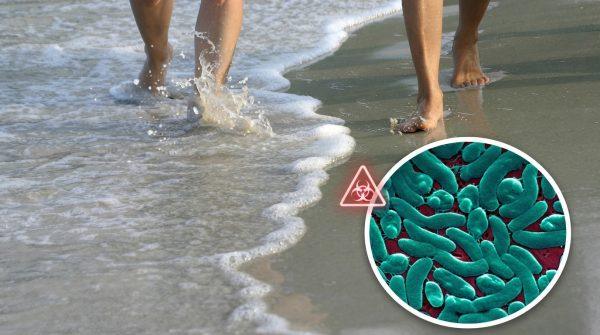
Summer in the Gulf Coast usually means beach days, seafood boils, and long evenings by the water. But this year, health officials in Florida and Louisiana are sounding the alarm over a deadly microorganism that thrives in the same warm, brackish waters where families cool off. Vibrio vulnificus, commonly known as flesh-eating bacteria, has now claimed 10 lives across the two states—six in Louisiana and four in Florida—according to state health departments.
The infections, which typically spike between May and October, are tied to rising water temperatures that allow the bacteria to multiply rapidly. For most healthy people, exposure may cause mild illness, but for those with underlying conditions—liver disease, cancer, diabetes, HIV, or weakened immune systems—the pathogen can turn deadly within days. The Centers for Disease Control and Prevention (CDC) reports that one in five infected individuals dies, often within one to two days if emergency care is delayed.
How the bacteria enters the body
Dr. Keith Schneider, a food safety professor at the University of Florida IFAS, explains that there are two primary routes of infection. The first is through open wounds—cuts, scrapes, surgical incisions, piercings, or fresh tattoos—coming into contact with contaminated seawater or brackish estuaries. The second is by eating raw or undercooked shellfish, especially oysters, which filter bacteria from the water and concentrate it in their tissues.
State health records show that 14 out of 15 confirmed cases in Florida were linked to wound exposure, underscoring the importance of keeping any break in the skin covered with a waterproof bandage before entering the ocean. "If you have a cut, even a small one, stay out of the water," Schneider warns. "The bacteria can enter through the tiniest opening and spread quickly."
Once inside the body, Vibrio vulnificus can cause a range of symptoms. If ingested, it often leads to watery diarrhea, abdominal cramps, and fever. If it enters through a wound, the infection can escalate to severe skin lesions, sepsis, and a dangerous drop in blood pressure. In the worst cases, amputation may be necessary to stop the spread.
Who is most at risk?
While anyone can get sick, the bacteria preys on those with compromised immune systems. People with chronic liver conditions, HIV, or blood disorders are particularly vulnerable. The CDC also notes that individuals taking medications that suppress the immune system should take extra precautions. For these groups, even a small exposure can be life-threatening.
Health departments in both states have ramped up public awareness campaigns, especially in tourist areas, to educate beachgoers about the hidden dangers. "We want people to enjoy the coast, but we also want them to understand the risks," said a spokesperson for the Florida Department of Health. "Simple steps—like avoiding raw oysters and covering wounds—can save lives."
Prevention and safety tips
To reduce the risk of infection, health officials recommend the following:
- Avoid eating raw or undercooked oysters and other shellfish. Cooking them thoroughly—boiling, grilling, or baking—kills the bacteria.
- Keep any open wounds, including cuts, scrapes, and surgical sites, out of saltwater and brackish water. If you must go in, use a waterproof bandage.
- Wash any accidental cuts immediately with clean water and mild soap after exposure to marine environments.
- Seek medical attention right away if you develop symptoms like redness, swelling, or fever after being in the water or eating raw shellfish.
For those who love the ocean, these precautions are not meant to scare, but to inform. "It's about being aware," says Schneider. "The water is beautiful, but it's also a natural environment with its own risks."
As the summer heat persists, health officials expect more cases. They urge everyone, especially those in high-risk groups, to stay vigilant. The CDC's Vibrio resource page offers detailed guidance, and local health departments are updating their advisories regularly.
For Latino communities along the Gulf Coast, where seafood is a staple of family gatherings, the message is particularly relevant. "We grew up eating oysters at every celebration," says María González, a resident of Tampa. "Now I make sure they're fully cooked, and I keep my kids' scrapes covered before they hit the beach."
This outbreak is a reminder that even familiar waters can hold unseen dangers. By taking simple precautions, we can protect ourselves and our loved ones while still enjoying the coastal life that defines so much of the region's culture.
For more on health and safety in the region, check out our coverage of South Florida restaurant inspections and the recent spike in dengue cases.