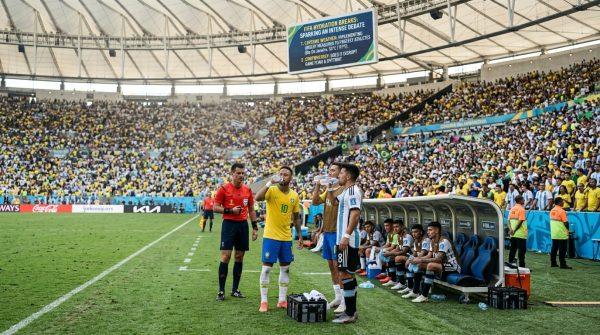
As the 2026 World Cup unfolds across the United States, Mexico, and Canada, FIFA's new hydration breaks have become a hot topic—literally. With host cities like Houston, Philadelphia, and Arlington facing scorching temperatures and high humidity, the world football governing body has introduced mandatory stoppages to protect players from heat-related illnesses. But the move has sparked a lively debate among fans, coaches, and analysts: Are these breaks a sensible precaution or an unwelcome interruption to the beautiful game?
The Science Behind the Stoppages
FIFA's decision is rooted in sports medicine. The protocol kicks in when the wet bulb globe temperature—a measure that accounts for heat, humidity, wind, and solar radiation—exceeds safety thresholds set by the FIFA Medical Committee. In cities like Houston, where the National Weather Service has recorded humidity levels that caught organizers off guard, the risk of severe dehydration or heatstroke is real. The breaks allow players to cool down, rehydrate, and avoid long-term health consequences.
Stadiums with retractable roofs, such as those in Texas, offer some relief from direct sun and storms, but the regulation applies uniformly across all venues. This ensures that every player, from the stars of World Cup legends to the rising talents of today, receives the same level of protection. Medical teams from each national squad work closely with tournament officials to monitor conditions and decide when to activate the breaks.
Impact on Game Strategy
Coaches have had to adapt their tactics on the fly. The breaks, which typically last a few minutes, can disrupt a team's momentum, especially for sides that rely on high pressing or sustained possession. Some argue that these pauses favor teams with deeper benches, as they allow for quick tactical adjustments. Others see them as a leveler, giving players a chance to recover from the grueling conditions.
Interestingly, FIFA has also greenlit the use of laptops by coaches during these breaks, as reported in this article. This has added a new layer of strategy, allowing managers like Mauricio Pochettino to analyze data and tweak formations in real time. It's a far cry from the traditional water break, where players simply grabbed a bottle and listened to a quick pep talk.
The Commercial Question
Some skeptics have wondered whether these breaks are a backdoor for broadcasters to insert commercials. Official networks have denied this, stating that the breaks are commercial-free to preserve the viewing experience. Still, the debate persists, especially as the tournament's schedule is increasingly shaped by weather patterns rather than tradition.
For Latino fans, the issue hits close to home. Many of the host cities—like Houston and Arlington—have large Latino communities, and the extreme heat is a familiar challenge. The breaks also highlight the growing influence of U.S. infrastructure on a global sport, a topic explored in our coverage of heat threats. As the tournament progresses, the balance between player safety and the flow of the game will remain a central storyline.
What's Next?
FIFA has indicated that the hydration protocol will be reviewed after the World Cup, with an eye toward future tournaments. Climate change means that extreme weather events are likely to become more common, making such measures increasingly necessary. For now, the breaks are here to stay, and teams are learning to adapt. Whether they become a permanent fixture or a temporary fix, one thing is clear: the health of the players is non-negotiable.
As the debate continues, fans can look forward to more action on the pitch, with the assurance that their favorite stars are being protected. And for those who miss the uninterrupted flow of the game, there's always the hope that cooler climates or better technology will one day make these pauses a thing of the past.