European football's governing body has drawn a clear line in the sand. UEFA and all 55 of its member associations have unanimously agreed to boycott future FIFA competitions if world football's governing body moves forward with a proposal to sell a minority stake in the commercial rights of the FIFA World Cup and other major tournaments to private investors.
This decision marks one of the most significant confrontations between UEFA and FIFA in recent years, and it could reshape the future of international soccer if neither side backs down. For Latin American fans, who have seen the World Cup become a stage for regional pride—from Argentina's triumph in Qatar to the upcoming 2027 Women's World Cup in Brazil—the stakes are especially high.
Why is UEFA threatening a World Cup boycott?
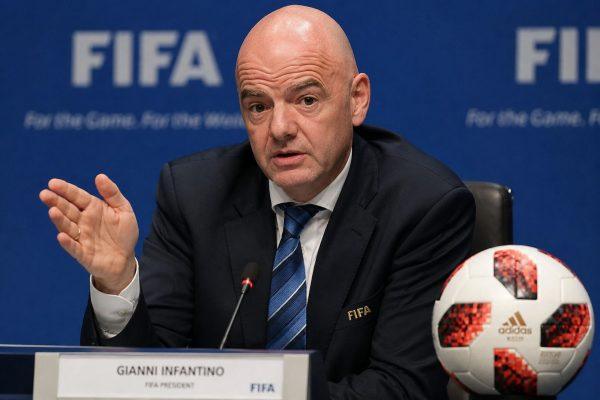
The conflict centers on FIFA president Gianni Infantino's proposal to create a new commercial entity, FIFA Forward Enterprises (FFE), which would manage the commercial operations of the World Cup, Women's World Cup and Club World Cup. FIFA plans to sell up to 21 percent of that company to private investors, raising approximately $4.2 billion. According to FIFA, the money would be distributed among its 211 member associations to help grow the sport around the world.
Infantino has described the initiative as the next step in football's commercial evolution, insisting FIFA would retain majority ownership and continue governing the sport without outside interference. However, pushback from UEFA and Concacaf has been swift and forceful.
UEFA sees the proposal very differently. In a strongly worded statement released after Thursday's meeting, European football rejected the idea of allowing private investors to acquire ownership interests tied to the World Cup. UEFA argued that once investors become shareholders, commercial returns would inevitably influence decisions about tournament formats, scheduling and the future direction of international football.
“The World Cup cannot be treated as an investment product,” UEFA said, adding that football's greatest competition belongs to future generations rather than financial markets.
The organization also criticized FIFA for developing the proposal without meaningful consultation with national federations before presenting it for approval. This lack of transparency has raised eyebrows across the football world, particularly in Latin America, where federations often feel sidelined in global decision-making.
What happens next?
For FIFA's proposal to move forward, it must receive approval from a majority of its 211 member associations as well as the FIFA Council before the September deadline. UEFA's unanimous opposition significantly raises the stakes, especially with the 2027 Women's World Cup in Brazil and the 2030 men's World Cup in Spain, Portugal and Morocco already on the calendar.
Attention now turns to the other continental confederations. Concacaf, which represents North and Central America and the Caribbean, has also expressed concerns about FIFA's process and has held meetings to discuss the proposal. The Asian Football Confederation has questioned the lack of consultation, while the Confederation of African Football has encouraged its members to examine the plan before taking a position.
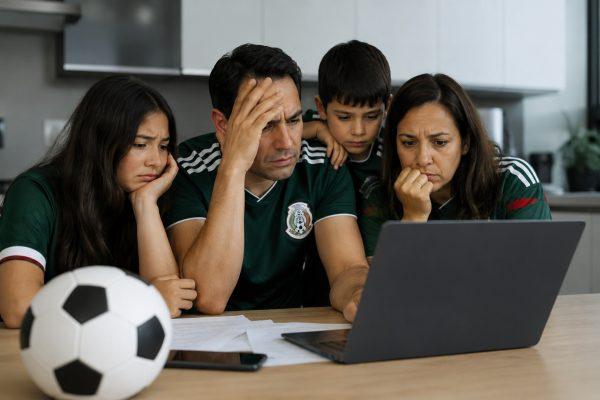
For Latin American football fans, this debate is not just about governance—it's about the soul of the game. The World Cup has long been a stage where the region's passion and talent shine, from Argentina's polarizing journey to the rise of Mexican prodigies like Gilberto Mora. The idea of private investors potentially shaping the tournament's future strikes a nerve in a region where football is deeply woven into cultural identity.
As the September deadline approaches, the football world will be watching closely. Whether this standoff leads to a compromise or an unprecedented boycott, one thing is clear: the debate over who controls the beautiful game is far from over.