Rafael Nadal spent the better part of two decades living out of suitcases, moving from one luxury hotel to the next as he dominated clay courts from Barcelona to Buenos Aires. That experience, he says, is now the foundation of his latest venture: a hospitality brand called Zel Hotels, launched in 2022 through a joint venture with Meliá Hotels International.
The Spanish champion, who retired from professional tennis in 2024, has opened properties in Mallorca, the Costa Brava, and the Dominican Republic. Each location reflects his personal taste and his roots in the Balearic Islands' tourism economy. For Nadal, the shift from athlete to hotelier feels less like a pivot and more like a natural extension of a life spent evaluating what makes a stay memorable.
Why hospitality now?
In a recent interview, Nadal pointed to changing consumer habits. People, he noted, are spending less on material goods and more on experiences—travel, wellness, and time with family. That shift, he believes, creates a strong opportunity for hospitality brands that can deliver something beyond a bed and a breakfast. Zel Hotels aims to combine Mediterranean lifestyle elements with the operational standards Nadal observed during his years on tour.
The brand's expansion strategy focuses on coastal and urban destinations where guests can expect tailored service shaped by Nadal's firsthand exposure to top-tier accommodations worldwide. This approach positions Zel to capture growing demand for experiential leisure travel, even in a competitive market.
For Latino travelers, the Dominican Republic property offers a familiar blend of Caribbean warmth and European influence, while the Mallorca and Costa Brava locations provide a gateway to Spain's diverse coastal culture. Nadal's vision ties these destinations together with a consistent emphasis on quality and authenticity.
Beyond hotels: tennis academies and new sports
Nadal's business portfolio extends well beyond hospitality. The Rafa Nadal Academy, which opened in Mallorca in 2016, has expanded to Mexico, Greece, and Hong Kong. These facilities export the training methodology that made him a 22-time Grand Slam champion, creating a pipeline for young athletes across continents.
In Mexico, the academy taps into the country's deep tennis tradition and growing interest in youth sports. The expansion reflects Nadal's belief that investing in athletic education is both a personal mission and a scalable commercial opportunity. He has described youth development as a core lifelong objective, one that aligns with his values and his business sense.
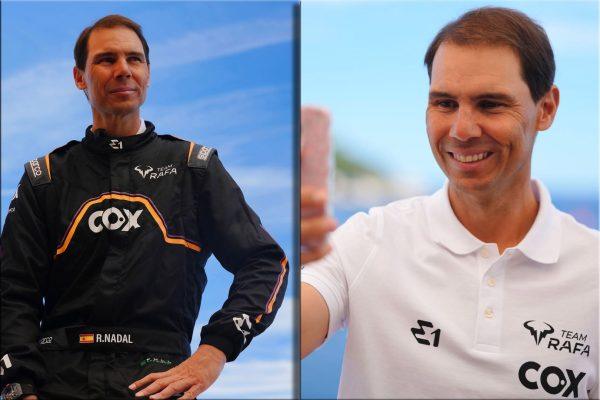
Since retiring, Nadal has also invested in emerging sports leagues, including professional padel and electric powerboat racing. These ventures diversify his portfolio and keep him engaged in competitive environments. With an estimated net worth of $200 million, he maintains an active schedule focused on corporate leadership and family life.
For a generation of Latino fans who grew up watching Nadal battle on clay, his post-tennis career offers a model of how to channel discipline and experience into new arenas. Whether through a hotel stay in Punta Cana or a training session at his academy in Cancún, his influence continues to shape the worlds of sport and travel.