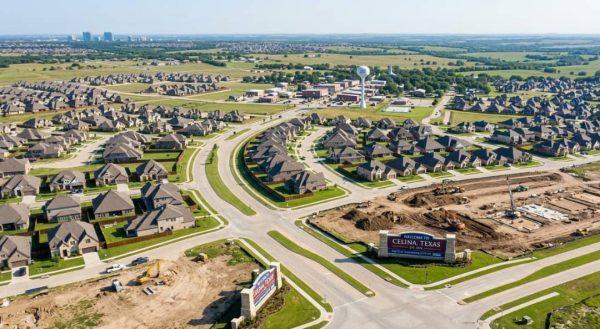
Just north of the Dallas-Fort Worth metroplex, a quiet farming community has turned into the fastest-growing city in the United States. Celina, Texas, is experiencing a demographic surge that few American towns have ever seen. According to the U.S. Census Bureau, this suburb now tops the list of growing cities in Texas, outpacing even the most optimistic local projections.
The transformation is stark. Where cattle grazed just a few years ago, heavy machinery now carves out new subdivisions and commercial strips. The rural landscape has given way to a sprawling construction zone, and the municipal government is racing to expand water and sewer networks before demand overwhelms capacity. Road widening projects are underway to prevent the kind of gridlock that plagues larger Sun Belt cities.
Why Families Are Flocking to Celina
The secret behind Celina’s boom is no mystery: housing affordability. In major metropolises like Austin, Los Angeles, or even Dallas proper, home prices have become prohibitive for many young families. Celina offers a compelling alternative—more square footage for the dollar, highly rated school districts, and a slower pace of life. This pattern mirrors trends seen in other parts of the Sun Belt, where South Texas real estate markets have also seen dramatic price increases.
Developers have taken notice. Large plots of land are still available, making it easy to build entire neighborhoods from scratch. The city projects that new businesses will follow the rooftops, allowing residents to work closer to home and reduce long commutes. For now, many newcomers still drive to jobs in Plano, Frisco, or Dallas, but the hope is that Celina will eventually become a self-sustaining hub.
Community and Change
Not everyone is celebrating the rapid growth. Longtime residents worry that the small-town character they love is being erased. The local administration is trying to ease the transition by encouraging newcomers to participate in community events and volunteer groups. The goal is to preserve the sense of neighborliness that defined Celina before the boom.
But the economic pressures are real. Competition for workers has driven up wages, making it harder for small businesses and fast-food chains to staff their operations. The labor market is tight, and the cost of doing business is rising. Meanwhile, the political landscape is shifting as new arrivals bring diverse perspectives from across the country. This influx of professionals is reshaping the voter profile of North Texas, a trend that will likely influence local elections for years to come.
Celina’s story is a microcosm of a larger national movement. Americans are voting with their feet, leaving expensive coastal cities for the affordability and opportunity of the Sun Belt. The question is whether cities like Celina can manage this growth without losing what makes them special. As new neighborhoods continue to rise, the answer will depend on smart planning and a commitment to community.
For Latinos in the diaspora, Celina’s boom offers both opportunity and caution. The promise of a better quality of life is real, but so are the challenges of rapid change. As the city builds its future, it will need to ensure that its growth is inclusive and sustainable—a lesson for boomtowns everywhere.