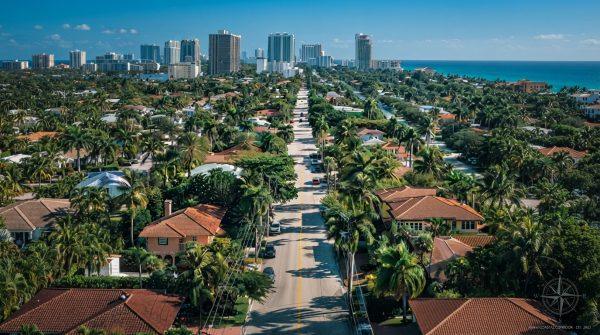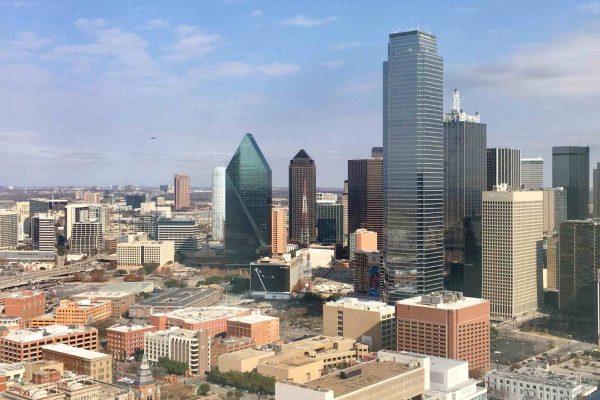
Texas has long been a magnet for growth, but a new report from the financial platform MoneyLion shows that the state's housing market is increasingly out of reach for many buyers. The study, which analyzed 200 major US cities using Zillow data, found that Texas leads the nation in overvalued housing markets, with 11 cities in the top 50. The most dramatic price gaps are concentrated in South Texas, where communities like Corpus Christi, Brownsville, and McAllen are seeing listing prices far exceed traditional home valuations.
Corpus Christi ranks as the third most overpriced market in the country, with an average listing price of nearly $318,000—about $100,000 above actual home values, a 44.5% discrepancy. Brownsville follows at fourth, driven by a surge in industrial development from tech firms, oil enterprises, and aerospace giants like SpaceX. That growth has created a $78,000 gap between market values and asking prices. McAllen, just west, takes the eighth spot, with listings roughly $66,000 higher than local assessments.
Why South Texas Is Feeling the Squeeze
The overpricing trend extends beyond the top three. In Laredo, standard home listings run 17% higher than typical valuations. These border cities, long considered affordable alternatives to larger metros, are now facing the same pressures that have pushed prices up in places like California and Florida. For many Latino families, the dream of homeownership in these communities is becoming harder to realize.
Interestingly, the state's largest metropolitan areas—Houston, Dallas, Fort Worth, and Austin—did not make the top 50 overvalued list. The exception is San Antonio, which landed at number 47, with average listings around $327,000, a $46,400 markup over local appraisals. This suggests that while the economic boom is real, its benefits are unevenly distributed, hitting smaller, rapidly industrializing cities hardest.
For Latino buyers, the situation is particularly acute. Many of the affected cities have large Latino populations, and the rising costs are squeezing families who have long relied on these markets for affordable housing. The report underscores a broader trend: as companies relocate to Texas and the Sun Belt, housing supply struggles to keep up, driving prices beyond what local incomes can support.
If you're a remote worker considering a move, some US cities are offering cash incentives to attract talent—check out our guide on US Cities Offering Cash to Remote Workers: A Guide for Latinos. And for a broader look at the housing market, read about Overvalued Homes in Texas, Florida, and California: What Latino Buyers Need to Know.
The Texas apartment market is also booming as renters flock to Sun Belt cities like Houston and Dallas—see our analysis on Texas Apartment Market Booms as Renters Flock to Sun Belt Cities Like Houston and Dallas. Meanwhile, the state's status as a corporate relocation giant continues to reshape jobs across the US, as detailed in Texas and Florida Cement Status as Corporate Relocation Giants.
In the end, Texas remains an economic powerhouse, but its housing market tells a story of deep local imbalances. For average buyers, especially in South Texas, the path to homeownership is becoming a steep climb. As the state continues to grow, addressing these disparities will be key to ensuring that the boom benefits everyone, not just those at the top.