California's small business owners are navigating a brutal economic landscape. Rising fuel costs, new tariffs, and tangled supply chains are squeezing profit margins and forcing tough decisions. For many, the dream of growth has been replaced by a daily fight to keep the lights on.
This isn't just a statistic—it's a reality for entrepreneurs across the state. These businesses, often the backbone of local economies, are now facing a triple blow: tariffs that disrupt sourcing, fuel surcharges from shipping giants like Amazon and UPS, and a consumer base that's increasingly price-sensitive. The result is a vicious cycle of cost-cutting and reduced output.
A Triple Blow to the Heart of Business
The current crisis hits local entrepreneurs especially hard. It's not one factor but a domino effect. First, tariffs forced many to rethink supply chains. Then, fuel prices and shipping rates soared, with surcharges from major carriers eating into already thin margins. Nichole MacDonald, founder of Sash Bag in San Diego, saw her sales drop by half compared to previous years. She moved production from China to India and drastically cut her staff. "That money we spent on tariffs could have gone toward hiring staff or growth, instead of taxes," she says, her voice tinged with frustration.
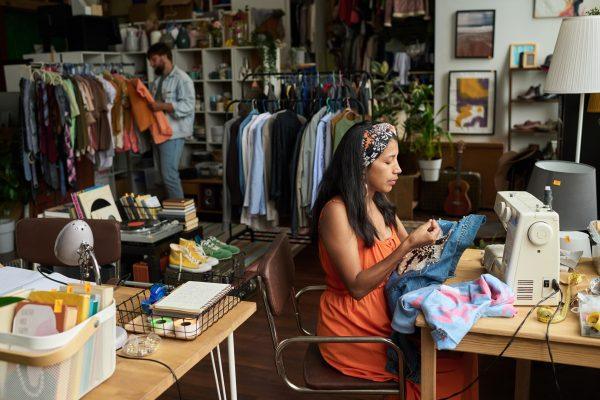
Rema Abedkader, a clothing designer in Temecula, faces a constant dilemma: raise prices and risk losing loyal customers, or absorb the costs and endanger her business. She reduced production by 50% this year, which also meant cutting ties with local seamstresses, pattern makers, and cutters. When a California small business stops, its entire local ecosystem suffers.
This economic squeeze is forcing many Latino families in the U.S. to make painful choices, as highlighted in our recent coverage of how families are adjusting. The same pressures are reshaping the small business landscape.
The Consumer Dilemma
The biggest challenge for these entrepreneurs is the difficult decision of passing costs on to customers. Abedkader's story is a microcosm of a broader trend: businesses are caught between maintaining affordability and staying viable. The result is a contraction that ripples through local economies. When a small business cuts production, it's not just the owner who feels it—it's the entire network of suppliers, workers, and service providers.
Jennafer Grace Carter, another entrepreneur, has had to limit her product variety and adapt to a shortage of skilled labor, exacerbated by fear in the working community. Uncertainty about trade policies and logistics makes long-term planning nearly impossible. "We're just trying to survive month to month," she admits.
This financial squeeze is also fueling a broader trend: California's middle-class exodus, as families seek relief from rising costs. Small businesses are at the heart of this struggle.
Resilience as the Only Strategy
Despite the grim outlook, California's entrepreneurs are known for their adaptability. Many are turning to marketing creativity, direct-to-consumer sales, and extreme resource optimization. But innovation, which should be the focus of growth, is now relegated to the background. The urgent need to pay bills and keep doors open takes precedence.
The immediate future presents greater challenges. If transportation costs don't stabilize, consumer prices will likely rise further, limiting family spending power. In California, the battle for commercial survival continues. Only the most flexible and determined will manage to overcome the storm.
For those considering a move, the question of whether financial relief is worth the cultural cost is increasingly relevant. But for now, small business owners are digging in, hoping for a break in the clouds.