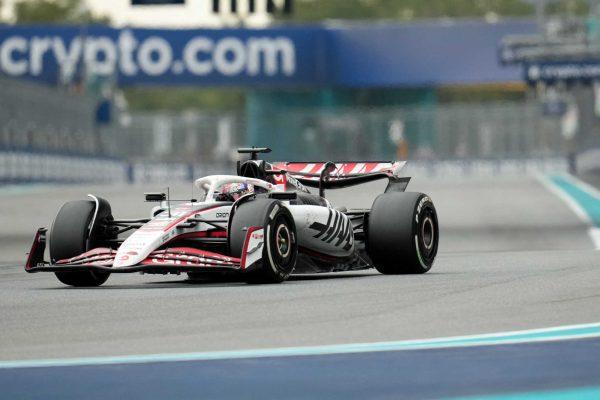
When the engines roar at the Miami Grand Prix in May 2026, the real victory might not be on the track but in the neighborhoods that surround it. Organizers have designed an inclusive strategy that puts the Latino workforce at the center, promising thousands of jobs and a significant economic boost for the community.
More than 5,000 temporary positions will be created, with a focus on hiring from areas with a high Hispanic presence. The economic impact is projected to exceed $470 million, a 12% increase from the previous year, ensuring that small and medium-sized businesses—many led by Latino entrepreneurs—secure contracts in gastronomy, logistics, and event production. This isn't just about race day; it's about building a lasting economic foundation.
Jobs That Reach the Community
The event's organizers have partnered with the Miami-Dade Chamber of Commerce to ensure that recent migrants and local residents fill over 60% of the vacancies in VIP spaces and technical services. This collaboration transforms the city into an active job training center in the weeks leading up to the Grand Prix, offering opportunities in hospitality and technical roles that might otherwise go to outsiders.
For many, this is a chance to gain professional experience and a steady income. As one local entrepreneur noted, “This isn't just a race; it's a lifeline for families who want to build a future here.” The focus on underserved neighborhoods means the benefits ripple through communities that often miss out on large-scale events.
Small Businesses and Entrepreneurs Take the Lead
The influx of international visitors demands a logistical network that only local companies can efficiently supply. Dozens of Latino-owned businesses have already secured exclusive contracts for food services and transportation, proving that the Grand Prix is more than a sporting spectacle—it's a commercial catalyst. This dynamism ensures that the investment stays within the community, supporting the value chain that sustains Miami's cultural identity.
Beyond the race itself, an artistic festival running alongside the Grand Prix serves as a showcase for local technicians and producers. This integration of local providers means that the economic windfall doesn't just pass through; it takes root. For those looking to expand their reach, this is a platform to project their work globally, much like how Messi's presence has driven business growth in Miami.
An Experience That Transcends Competition
For fans and workers alike, being part of this organizational machinery is a source of pride and a vital income stream. The 12% growth in economic impact compared to the previous year confirms the project's solidity as a catalyst for well-being. Attending or working at the Grand Prix means being part of an urban transformation that values human effort above all else.
This event also highlights the dual identity many Latinos navigate—balancing roots in Latin America with opportunities in the U.S. As explored in our piece on dual identity, such moments reinforce the connection between heritage and progress. The Grand Prix leaves a legacy of professionalism and new job opportunities that will endure long after the circuit lights go out.
Ultimately, the Miami Grand Prix 2026 is not just about speed; it's about community. By prioritizing Latino workers and businesses, it sets a standard for how major events can drive inclusive growth. For those who call Miami home, this is a race worth watching—and working for.