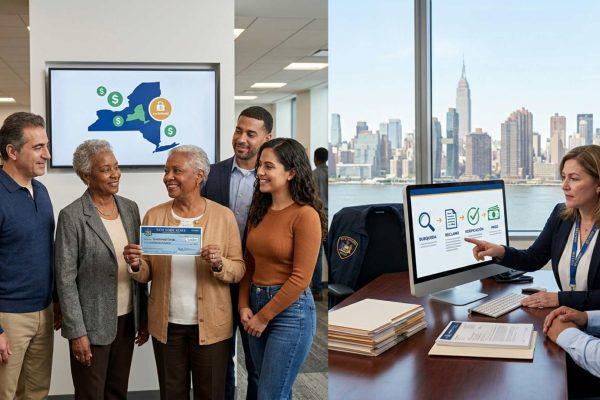
New York State Comptroller Thomas P. DiNapoli has announced a major upgrade to the state's Unclaimed Funds program, now automatically sending checks of up to $5,000 to verified owners without requiring any paperwork. Since January 2025, the program has processed over 210,000 payments, returning a total of $48 million to citizens and organizations—averaging more than $2 million per day.
For Latino families in neighborhoods like the Bronx and Queens, this change is a game-changer. Thousands of service workers, delivery drivers, and retail employees who had forgotten bank accounts, insurance refunds, or utility deposits are now receiving money they didn't even know they were owed. According to IRS reports from March 2026, a significant portion of these payments are going to residents of these areas, many of whom had lost track of their assets due to frequent moves or the complexity of traditional claims.
How the Automated System Works
The state comptroller's office now uses verified databases to identify legitimate owners of dormant accounts—those inactive for at least three years—and sends checks directly to their homes. The state currently holds over $18 billion in unclaimed assets, ranging from forgotten bank accounts to stock certificates and gift cards. By raising the automatic payment limit to $5,000, New York aims to reduce the backlog and return money faster.
To ensure security, the process begins with a notification letter sent before the check arrives. Beneficiaries never need to pay fees or share confidential information through unofficial channels. Each check includes a unique identification number, allowing recipients to verify its legitimacy through the comptroller's Spanish-language communication channels.
Tax Implications and Next Steps
While the principal amount of the restored fund is generally tax-exempt, any interest earned while the money was under state custody must be reported to the IRS. The comptroller's office recommends using its free online search tools for amounts exceeding $5,000, which may still require manual verification.
This initiative is part of a broader effort to make state financial management more transparent and efficient. Since the program's inception, New York has returned over $18 billion to residents and businesses, reinjecting vital capital into the local economy. For Latinos, who often face barriers to accessing financial systems, this automated approach removes bureaucratic hurdles and puts money back where it belongs.
As the US Latino economy continues to grow—now valued at $4.4 trillion and ranking as the fourth largest in the world—initiatives like this help ensure that Latino families can recover what is rightfully theirs. For more on how Latinos are shaping the economic landscape, check out our coverage of the US Latino economy hitting $4.4 trillion.
If you live in New York, especially in the Bronx or Queens, keep an eye on your mailbox. That check from the state might just be your forgotten savings, returned without a single form to fill out.