For many Latino families across the United States, the dream of homeownership has become increasingly elusive as average monthly mortgage costs hover around $2,000. But a new wave of prefabricated tiny homes, led by companies like Boxabl, is offering a practical alternative. The Casita model, starting at an estimated $895 per month, is designed to cut housing expenses without sacrificing modern comfort.
What Makes the Casita Different?
Boxabl's Casita Studio spans roughly 391 square feet and comes with pre-installed HVAC, electrical, and plumbing systems. The units feature eight-foot-tall windows and high ceilings that maximize natural light, creating a sense of spaciousness that belies their compact footprint. Unlike many budget-friendly options, these homes include full-sized appliances and luxury finishes typically found in traditional construction.
The installation process is remarkably fast: after a two-month manufacturing period, a specialized team can unfold the unit in just one hour, leaving it ready for immediate occupancy. This efficiency has attracted attention from high-profile figures like Elon Musk, who has adopted the units in Texas, but the real impact is being felt in Latino communities across the country.
A Solution for Latino Households in High-Cost Cities
In cities like Los Angeles, California, where rents have skyrocketed, many Latino homeowners are using Casitas as accessory dwelling units (ADUs) to generate extra income. This trend aligns with broader housing reforms, such as California's transit-oriented housing reform, which could add 1 million homes statewide. For families already struggling with inflation that has squeezed savings to 2.6% and driven up credit card debt, these tiny homes offer a lifeline.
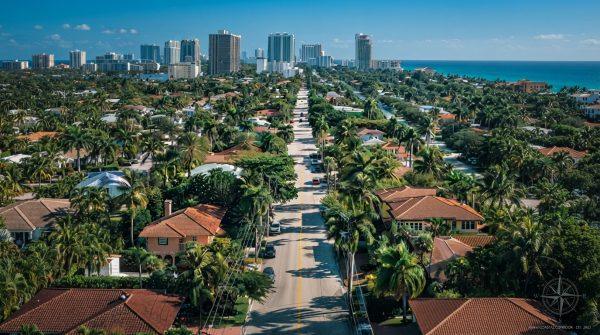
Beyond primary residences, the units are being rented out on platforms like Airbnb, providing a steady income stream. In Miami, where the Latino population is dense and housing costs are climbing, similar strategies are emerging. The flexibility of these homes makes them particularly appealing for multigenerational households, a common arrangement in many Latino families.
Quality and Sustainability
Boxabl's units are not just affordable; they are built to last. They meet energy and seismic safety ratings, making them resistant to earthquakes and extreme weather—a crucial consideration for families in regions like California and Texas. The company's mass-production approach ensures consistent quality, unlike the DIY kits sold by retailers like Amazon and Home Depot.
This movement is part of a larger shift in the housing market. As zombie homes rise across 38 US states, threatening Latino neighborhoods, tiny homes represent a proactive solution to the housing crisis. They are not a panacea, but they offer a tangible path toward financial stability for families who have been priced out of traditional markets.
For Latino readers considering this option, the key is to research local zoning laws and financing options. While the $895 monthly payment is attractive, it often requires a land lease or purchase, which varies by location. Still, for those willing to embrace a smaller footprint, the Casita could be the key to unlocking homeownership in an era of rising costs.