On any given night, a drag show in Brooklyn, a feminist bookstore in Chicago, and a packed dance floor in West Hollywood might seem like three separate worlds. But together, they tell a broader story: LGBTQ culture in the United States is no longer defined by a handful of iconic streets. The old gayborhoods still matter, but the scene has grown far beyond their borders, and the most exciting changes are happening where you least expect them.
For decades, places like Greenwich Village, Boystown, and West Hollywood anchored queer life. They remain vital, but a new generation—especially Latino and immigrant communities—is adding fresh layers to these historic spaces. From the Spanish-speaking nightlife of Queens to the independent creative corners of Los Angeles, the future of queer culture is being written in neighborhoods that tourists rarely visit.
New York: Beyond the West Village
New York’s queer history is inseparable from Greenwich Village. The 1969 Stonewall uprising ignited the modern LGBTQ rights movement, and Christopher Street still draws visitors eager to walk those hallowed blocks. But queer New York has long spilled past Manhattan’s edges. In Brooklyn, neighborhoods like Bushwick and Williamsburg have become laboratories for experimental performance, inclusive dance parties, and venues that welcome a wider mix of identities.
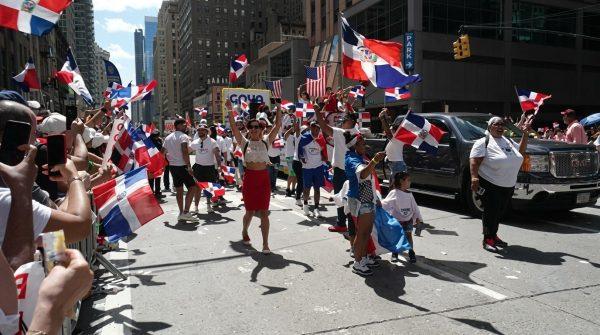
Meanwhile, Jackson Heights in Queens offers a distinctly Latino flavor. Its large immigrant population has nurtured LGBTQ nightlife and organizing outside Manhattan, including the annual Queens Pride celebration. For many, this is where the city’s queer soul truly thrives—where a historic gay bar, a Spanish-speaking social scene, and a late-night drag show can all exist within a few subway stops.
This diversity is what makes New York so dynamic today. Whether you’re seeking a piece of history or a space that feels brand new, the five boroughs deliver. And as the city reimagines its public spaces, NYC greenways aim to reconnect neighborhoods split by highways, potentially linking queer communities that have long been divided by infrastructure.
Chicago: More Than Boystown
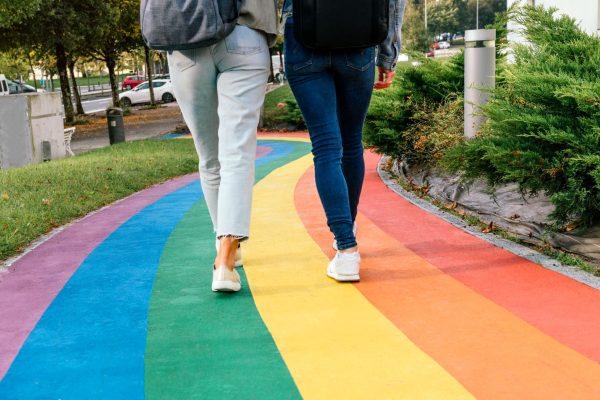
Chicago’s Northalsted—historically known as Boystown—became the country’s first officially recognized gay neighborhood in 1997. Halsted Street remains a beacon, with its rainbow pylons, bustling bars, and the Legacy Walk honoring queer pioneers. But the Windy City’s LGBTQ community has never been confined to one strip.
Just north, Andersonville offers a different kind of queer haven. Along Clark Street, independent shops, cozy cafés, and Women & Children First—a longstanding feminist bookstore—have created a welcoming space for LGBTQ women and the broader community. Nearby Uptown, Edgewater, and Rogers Park add their own layers, from neighborhood hangouts to grassroots organizations.
For visitors, this is a reminder that queer culture isn’t always about the loudest club. Sometimes it’s a quiet bookstore, a local coffee spot, or a place where the same faces have gathered for years. And as Chicago grapples with new challenges, like lawsuits over biometric data collection by delivery robots, the city’s queer spaces remain resilient, adapting to change while holding onto their roots.
Los Angeles: West Hollywood Meets Silver Lake
West Hollywood is still one of America’s most recognizable LGBTQ destinations. The Rainbow District along Santa Monica Boulevard pulses with bars, restaurants, and businesses that cater to the community. Politically, WeHo made history when it incorporated in 1984 with a majority-gay city council, setting a standard for LGBTQ advocacy that endures.
But Los Angeles has another queer chapter across town. Silver Lake was home to the Black Cat Tavern, where a police raid on New Year’s Eve 1966 sparked demonstrations in February 1967—more than two years before Stonewall. Today, the neighborhood’s legacy lives on through independent nightlife, art, and music scenes that thrive outside the spotlight.
In 2024, L.A. finally removed the last anti-cruising signs in Silver Lake, a stark reminder of how recently queer people faced restrictions even in areas now celebrated for their openness. Together, West Hollywood and Silver Lake show two sides of the city: the flashy, visible district and the quieter, grassroots spaces where queer history and culture have always simmered.
What Happens to the Gayborhood Next?
These neighborhoods are evolving, and not all change is easy. Rising rents push out the independent businesses, artists, and longtime residents who built these communities. Yet queer culture keeps spreading into new corners of these cities, and the challenge is to ensure that growth doesn’t erase the people and places that came before.
The next chapter of queer culture won’t have a single address. It’s being written in the ways LGBTQ Latinos reshape Día de Muertos with chosen family, in the queer horror films that offer a cozy Halloween night in, and in the everyday acts of community-building across Brooklyn, Andersonville, and Silver Lake. As Latino births drive U.S. population growth, these communities will only become more intertwined, creating a queer future that is as diverse as the Americas themselves.