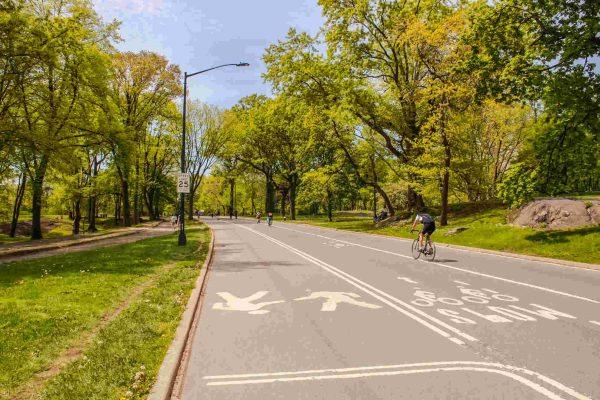
New York City is taking a bold step to heal the scars left by mid-century highway construction that carved through vibrant neighborhoods, isolating communities and limiting safe mobility. The city's Department of Transportation has officially begun the planning phase for four green corridors that will stretch more than 70 kilometers across the Bronx, Brooklyn, Queens, and Staten Island. This initiative, announced in late October 2026, seeks to transform the daily commute for pedestrians and cyclists, offering safe, dedicated paths that bypass the dangers of high-traffic roads.
Reconnecting the boroughs
The greenways are designed to link neighborhoods that have been physically separated by major highways and industrial zones for decades. In the Bronx, the proposed Bronx Waterfront Greenway will run over 24 kilometers from Randall's Island Park to the vicinity of the Throgs Neck Bridge, opening up waterfront access and connecting communities that have long been cut off from the East River. In Brooklyn, the route will tie together historic corridors like Ocean Parkway and Eastern Parkway, reaching down to Coney Island and linking key transit hubs such as Broadway Junction and Prospect Park.
Queens and Staten Island are also part of this ambitious plan. The Queens route will trace the Jamaica Bay area, providing safe passage for the more than 35,000 people who work at JFK International Airport, many of whom currently rely on car-centric roads. Staten Island's North Shore will see a new greenway that promises to improve access to parks and waterfronts for underserved communities. This project is not just about transportation; it's about restoring a sense of place and belonging.
The initiative is backed by a federal grant of over $7 million, a significant investment in sustainable infrastructure that aims to improve quality of life across the metropolis. The city's commitment to this vision is clear, but the real success will depend on community involvement. To that end, the DOT has scheduled a series of in-person and virtual workshops where residents can voice their concerns about dangerous intersections, poor lighting, and gaps in green space. This participatory approach ensures that the final routes reflect the daily realities of those who live and work in these neighborhoods.
While the full implementation is projected for 2028, the first phase will bring immediate improvements: new road markings, signage, and protected segments that will make a tangible difference for pedestrians, cyclists, and public transit users alike. These early interventions are crucial for building momentum and demonstrating the project's value.
This greenway plan is a landmark victory for public space, proving that urban planning can mend past divisions and create more connected, healthy, and human-centered communities. It's a reminder that cities are not just concrete and steel, but living organisms that thrive when their residents can move freely and safely. For Latinos across the five boroughs, many of whom call these very neighborhoods home, this initiative represents a chance to reclaim streets that have long been barriers, turning them into pathways for opportunity and community.
As New York moves forward with these green corridors, it joins a broader conversation about urban reconnection happening across the country. Similar efforts are underway in other cities, and the lessons learned here could inspire change elsewhere. The city's commitment to listening to its residents is a model for inclusive planning, ensuring that the benefits of this investment are felt by all.
For those interested in the broader context of urban renewal, affordable housing initiatives are also reshaping the city's landscape. And for a look at how other communities are tackling similar challenges, Staten Island's housing overhaul offers a parallel story. The greenways are just one piece of a larger puzzle, but they are a vital one.
As the workshops get underway, the city is eager to hear from residents. The goal is not just to build paths, but to build bridges—between neighborhoods, between people, and between the past and a more equitable future. This is urban planning with a heart, and it's a story worth watching.