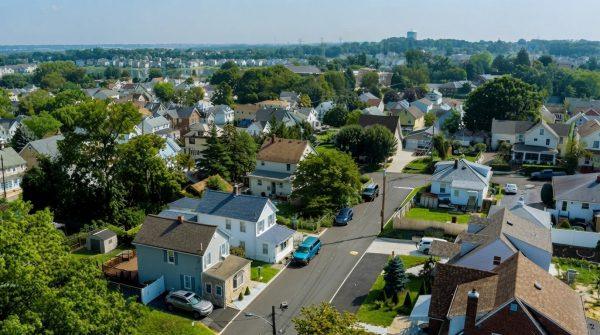
The US housing market is quietly rewriting its map. While headlines still obsess over Manhattan penthouses and Silicon Valley starter homes, a growing number of buyers—many of them Latino families looking for space, schools, and a foothold in the middle class—are turning their attention to the outer rings of major metros. The result is a surge of activity in places like Peabody, Massachusetts, and Montclair, New Jersey, where competition is fierce and inventory is thinner than it's been in years.
According to data from Realtor.com, the most sought-after postal codes have seen their available homes drop by as much as 60% compared to pre-pandemic levels. That scarcity is most acute in the suburbs surrounding Boston, New York, and Philadelphia. For buyers, that means fewer options and faster decisions—about 10% of them are managing to close without prolonged bidding wars, but that's little comfort when you're competing against a dozen other offers.
Where the demand is hottest
Freddie Mac's latest report shows that nine of the ten top ZIP codes are selling at or above asking price, with an average sales-to-list ratio of 103.8%. That's a seller's market, plain and simple. The hottest areas include:
- Peabody, Massachusetts (01960) – Leading the national ranking, just outside Boston.
- Montclair, New Jersey (07042) – A coveted suburb with a lively downtown and strong schools.
- Sewell, New Jersey (08080) – High interest and quick sales in the Philadelphia metro.
- Westfield, Massachusetts (01085) – Competitive conditions for new residents.
- Livonia, Michigan (48154) – A Midwest standout with solid value.
- Lititz, Pennsylvania (17543) – A balance of space and connectivity that appeals to families.
For many Latino buyers, these suburbs represent a step up—a chance to own a home with a yard, good schools, and a shorter commute to urban jobs. But the path isn't easy. Zillow Research notes that the average down payment in these hot spots is around 17% of the purchase price, well above the national average of 13%. That's a significant hurdle for first-time buyers who may already be stretched by rent and student debt.
“The demand is being driven by local residents who want more space without giving up access to the city,” says a housing analyst familiar with the data. “But the competition is intense, and you need a solid credit profile to even get a foot in the door.”
The hidden costs of buying
Beyond the down payment, experts warn that the costs after closing can turn an affordable-looking property into a budget strain. Interest rate adjustments, property taxes, and insurance premiums vary widely by region, and ignoring them can destabilize a household's finances. The Federal Housing Finance Agency tracks these trends, and financial advisors are urging buyers to build emergency funds before they sign on the dotted line.
“You have to look at the total picture,” says a mortgage industry expert. “A home that seems within reach can become a burden if you haven't accounted for maintenance, utilities, and the inevitable surprises.”
For Latino families, who often rely on extended family support and remittances, these hidden costs can be especially challenging. But there are resources—community programs, down payment assistance, and bilingual counseling—that can help bridge the gap. The key is to do the homework before making an offer.
As the market evolves, some analysts see parallels to other housing shifts. In Texas, for example, state tax credits are funding new affordable housing, while in Florida, foreign buyers continue to drive demand. And for those watching the bigger picture, the rise of AI data centers is outbidding homebuilders, worsening the crisis for many Latino families.
For now, the suburbs are where the action is. But buyers should move with caution—and with a clear-eyed view of what they can truly afford. The American dream of homeownership is still alive, but it's getting more expensive to reach.