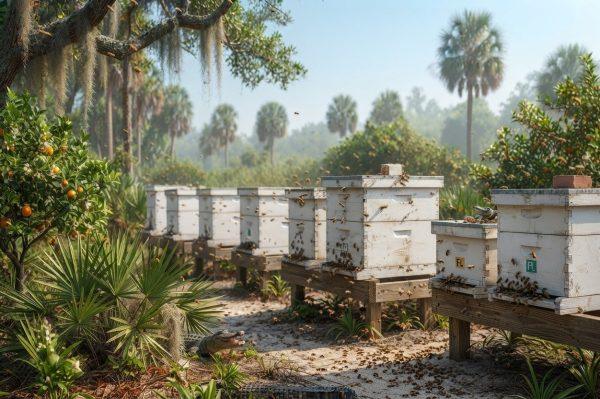
This summer, Florida has become the stage for an unusual invasion: bee swarms are turning up in places you'd least expect—inside patio furniture, water meters, and even wall cavities. From Miami to Tampa, residents are discovering that the heat and loss of natural habitats are pushing these essential pollinators into urban neighborhoods. While the sight of a swarm can be alarming, experts are clear: the worst thing you can do is try to handle it yourself.
Why Are Bees Moving Into Florida Homes?
According to the Florida Department of Agriculture and Consumer Services, the combination of record temperatures and shrinking green spaces is driving bee colonies to seek cooler, sheltered spots. The Florida Bee Rescue team reports daily calls to extract swarms from places like mailboxes, grills, and even children's toys left in backyards. "They're not looking for trouble," says a rescuer from Miami-Dade. "They're just looking for a place to rest and build a new home."
This isn't just a nuisance—it's a sign of a larger ecological shift. As urban development continues to eat into natural habitats, bees are adapting by moving into the spaces we've built. That's why you might find a hive under your porch or inside a wall, especially during the peak summer months.
The Costly Mistake: DIY Removal
One of the biggest mistakes homeowners make is reaching for a can of insecticide or trying to knock down a hive with a broom. Not only is this dangerous—bees become defensive when threatened—but it's also ineffective. "When you spray chemicals, you might kill a few bees, but the pheromones left behind will attract new swarms," explains a pest control specialist from Orlando. "You end up with a bigger problem and a higher bill."
Professional removal is not just about getting rid of the bees; it's about doing it safely and ethically. Rescuers use smoke to calm the insects and specialized vacuums to collect them without harm. They then relocate the colonies to farms or natural areas where they can thrive. This approach protects both the bees and your family.
What to Do If You Spot a Swarm
- Keep your distance and don't disturb the swarm.
- Call a licensed bee removal service immediately.
- Avoid using any pesticides or home remedies.
- Seal entry points after the hive is removed to prevent future invasions.
Experts also stress the importance of removing all honeycomb and wax remnants. Even a small piece left behind can release pheromones that attract new colonies. That's why professional cleanup is essential—it ensures the site is truly bee-free.
Why This Matters for Our Community
For many Latinos in Florida, bees are more than just a backyard nuisance. They're a link to our agricultural roots and a reminder of the delicate balance of nature. In countries like México and Colombia, beekeeping is a proud tradition, and bees are vital to the crops that feed our families. As one rescuer put it, "These bees are not our enemies; they're our partners in survival."
That's why experts are urging calm and cooperation. Neighborhood associations across South Florida are hosting workshops to teach residents about bee behavior and the importance of these pollinators. Schools are getting involved too, with programs that educate kids on how to coexist with bees safely.
The situation is also drawing attention to broader issues like Florida's deep Latino heritage and how our communities are intertwined with the land. As we face these challenges, it's a reminder that our actions today shape the environment for future generations.
What the Experts Want You to Remember
First, don't panic. Bees are not aggressive unless provoked. Second, never attempt to remove a hive on your own. The risk of multiple stings—especially for children and those with allergies—is too high. Hospitals in the region have already reported an uptick in bee-sting incidents this summer, and doctors are advising families to know the signs of an allergic reaction.
Third, think about the bigger picture. Bees pollinate about 80% of the world's flowering plants, including many of the fruits and vegetables we enjoy daily. By choosing professional removal over extermination, you're helping to preserve a species that's essential to our food supply.
As the summer heat continues, experts predict more swarms will appear. But with the right approach, we can handle this invasion safely and responsibly. Remember, the goal isn't to eliminate bees—it's to live alongside them. And that starts with making the call to a professional, not a DIY fix.
For more on how Florida is adapting to these changes, check out our story on Florida's new infrastructure plans and how they might affect our environment. And if you're curious about the state's growing Latino influence, this analysis offers some insights.