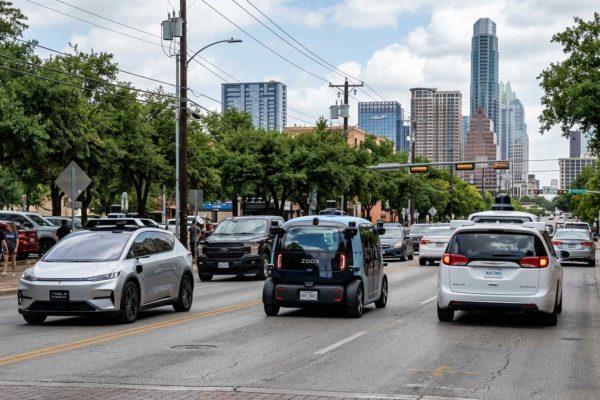
On a typical weekday in Austin, Texas, you might spot a sleek, camera-laden Tesla Cybercab gliding past a boxy Zoox shuttle, while a Waymo minivan waits at the same intersection. This isn't a sci-fi movie set—it's the new reality of the city's streets, where three of the most advanced autonomous vehicle fleets are now operating side by side. The convergence marks a pivotal moment in the race to make driverless taxis a mainstream reality, and Texas has become the unlikely epicenter.
Three philosophies, one goal
Each company brings a distinct engineering philosophy to the table. Tesla's Cybercab relies heavily on a vision-based neural network, using cameras and AI to interpret the world—no LiDAR, no radar. In contrast, Zoox and Waymo lean on a more traditional sensor suite, combining LiDAR, radar, and high-definition mapping to create a redundant safety net. These differences aren't just technical details; they represent fundamental bets on how to achieve full Level 4 autonomy, where the vehicle can handle all driving tasks without human intervention.
For transportation engineers and tech analysts, watching these fleets navigate Austin's busy corridors is like a live case study. The vehicles must contend with unpredictable pedestrians, aggressive drivers, and the occasional jaywalker—all while making split-second decisions that could mean the difference between a smooth ride and a fender bender.
Texas as the proving ground
Texas has rapidly become the go-to testing ground for autonomous vehicles, thanks to its permissive regulations and sprawling urban layouts. Austin, in particular, offers a mix of dense downtown traffic and wide suburban roads, making it an ideal laboratory. The state's embrace of innovation has attracted not just Tesla, which is headquartered in Austin, but also Zoox (an Amazon subsidiary) and Waymo (Alphabet's self-driving unit). Their simultaneous presence is no accident—it's a deliberate strategy to gather real-world data and refine their systems.
But the influx of robotaxis isn't just a tech story. It's reshaping how cities think about infrastructure and public transit. Austin's transportation authorities are now grappling with how to manage fleets that operate 24/7, with no drivers to report issues or respond to unexpected situations. Traffic lights, road markings, and even parking regulations may need to be rethought to accommodate these autonomous newcomers.
Latino communities in the loop
For Latino residents in Austin and across Texas, this shift has both practical and cultural implications. Many Latinos work in the gig economy, including ride-hailing, and the rise of robotaxis could disrupt those livelihoods. At the same time, autonomous vehicles promise safer roads and more accessible transportation for communities that have historically been underserved by public transit. The question is whether these benefits will be equitably distributed.
As Texas grapples with the environmental costs of its tech boom, the addition of electric robotaxis could be a double-edged sword. On one hand, they reduce emissions compared to gas-powered cars. On the other, the increased vehicle miles traveled could strain the grid and worsen congestion. It's a complex trade-off that policymakers are only beginning to address.
What's next for autonomous fleets
The Austin convergence is more than a photo op. It's a signal that the autonomous vehicle industry is moving from pilot projects to full-scale commercial deployment. As these fleets log millions of unsupervised miles, the data they collect will shape the future of urban mobility—not just in Texas, but across the country and beyond.
For now, Austinites are getting a front-row seat to history. Whether they're hailing a ride or just watching from the sidewalk, the sight of these driverless pods is becoming as common as food trucks and live music. And as the technology matures, the lessons learned here will likely pave the way for robotaxis in cities from México City to Los Angeles.
But the road ahead isn't without bumps. Regulatory hurdles, public skepticism, and the occasional technical glitch remain. Still, the fact that three major players are willing to compete in the same city is a testament to how far autonomous driving has come—and how quickly it's becoming a part of everyday life.