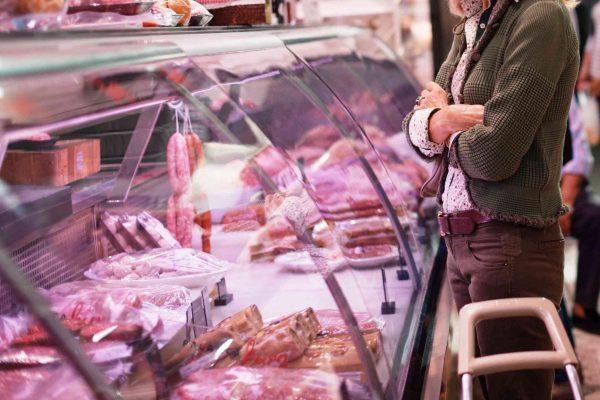
When you open your fridge to plan the week's meals, the last thing on your mind is whether that package of meat could be a health risk. But a recent federal alert has put kitchens across the United States on notice: more than 76 tons of raw meat—beef, pork, and goat—have been recalled because they were processed without the mandatory federal inspections that keep our food safe.
The U.S. Department of Agriculture's Food Safety and Inspection Service (FSIS) issued the recall on [date], covering 167,639 pounds of products from A&D Foods, a company with plants in North Carolina. The agency classified this as a Class I recall, its highest risk level, meaning there is a reasonable probability that consuming the meat could cause serious, adverse health consequences.
For Latino families, this hits close to home. Many of the recalled items—beef ribs, oxtails, ground pork, and goat cuts—are staples in traditional dishes across the Caribbean, Central America, and the diaspora. From sancocho in the Dominican Republic to carne guisada in Mexico and cabrito in northern Mexico, these ingredients are central to our culinary heritage. That's why it's crucial to know exactly what to look for.
What to check in your fridge and freezer
The recalled products were sold under the A&D Foods brand and carry the establishment number EST. 1363 on their packaging. FSIS has identified 23 different product descriptions, ranging from beef ribs and oxtails to ground pork and goat pieces. If you have any of these items, do not eat them. Either throw them away or return them to the store where you bought them.
Restaurant owners and food businesses also have a responsibility. They should immediately separate any affected batches from their inventory and ensure they don't end up on anyone's plate. FSIS is working with the company to retrieve products, but the agency emphasizes that consumers should be vigilant.
So far, there have been no confirmed illnesses or injuries linked to these products. But the absence of federal inspection means the meat may not have been processed under the strict sanitary conditions required by law. That's why the recall is a precautionary measure, but one that should be taken seriously.
This isn't the first time a food safety alert has hit the headlines. Earlier this year, Florida recorded its first dengue death in nearly a century, and Texas red tide triggered health alerts on Galveston and Bolivar beaches. While those are different types of risks, they all underscore the importance of staying informed about public health warnings.
For many of us, cooking is a way to connect with our roots. But it's also a responsibility to keep our families safe. So before you fire up the grill or simmer that pot of stew, take a moment to check the labels. It's a small step that can make a big difference.
If you have questions about the recall, you can contact FSIS or visit their website for a full list of affected products. And remember, when in doubt, throw it out.