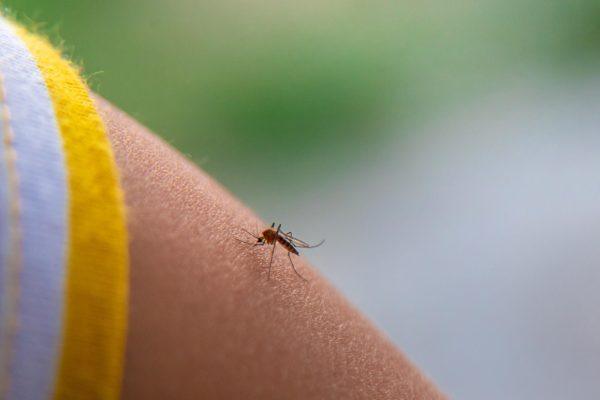
Florida has recorded its first dengue-related death in nearly a century, a somber milestone that has put health officials and communities on edge. The victim, an 80-year-old woman, passed away at Tampa General Hospital after a severe infection that quickly led to septic shock and multiple organ failure, according to local health authorities.
The case, confirmed as locally acquired, has reignited concerns about mosquito-borne diseases in the state, especially as dengue transmission becomes more common outside its traditional tropical strongholds. The woman's death certificate lists dengue as the cause, with the infection stemming from a mosquito bite.
A local outbreak with global echoes
While dengue is often associated with regions like the Caribbean, Central America, or Southeast Asia, its presence in Florida is no longer a rarity. In recent years, local transmission has been reported in several counties, and this year's numbers are already higher than usual. Hillsborough and Pinellas counties, in particular, have seen a spike in cases, prompting the Florida Department of Health to intensify surveillance and public awareness campaigns.
The Centers for Disease Control and Prevention (CDC) identifies the Aedes aegypti mosquito as the primary vector for the dengue virus, which can cause symptoms ranging from high fever and severe headaches to hemorrhagic dengue, a life-threatening complication. The state surgeon general has urged residents not to let their guard down, emphasizing that prevention is the best defense.
For the Latino community, many of whom have family ties to dengue-endemic countries, this news hits close to home. It's a reminder that the virus doesn't respect borders, and that the same precautions taken in places like Bogotá or San Juan are now necessary in Tampa or Miami.
Protecting your home and family
Health experts stress that simple daily habits can drastically reduce the risk of mosquito bites. The most effective measures include:
- Emptying any containers that collect rainwater, such as flower pots, buckets, or old tires.
- Keeping gutters clean and ensuring proper drainage around the property.
- Using EPA-approved insect repellents, especially during dawn and dusk when mosquitoes are most active.
- Installing or repairing window screens to keep mosquitoes out.
These steps are especially important for older adults and those with underlying health conditions, who are at higher risk for severe dengue. The CDC also advises seeking medical attention immediately if you experience sudden fever, severe headache, pain behind the eyes, or joint pain, especially after a mosquito bite.
As Florida grapples with this unprecedented situation, the state is also bracing for other weather-related challenges. Forecasters are monitoring a potential Super El Niño that could bring heavier rains and, with them, more standing water—ideal breeding grounds for mosquitoes. Meanwhile, South Florida is preparing for multi-day severe storms that could exacerbate the problem.
For now, the message from health officials is clear: vigilance is key. The dengue death in Florida is a wake-up call that mosquito-borne diseases are not just a distant threat. They are here, and they demand our attention.
As the community mourns this tragic loss, it also serves as a catalyst for action. By taking preventive measures seriously, we can protect our families and our neighborhoods from this preventable disease.