In the United States, surnames are more than just family labels—they're living records of migration, identity, and history. But a recent study from MyHeritage, a genealogy platform, has sounded an alarm: 15 American surnames are fading so fast they could vanish entirely in a few generations. For Latino communities, where surnames often carry deep ties to countries like México, Puerto Rico, or Colombia, this trend raises questions about how we preserve our roots in a rapidly changing society.
The Names on the Brink
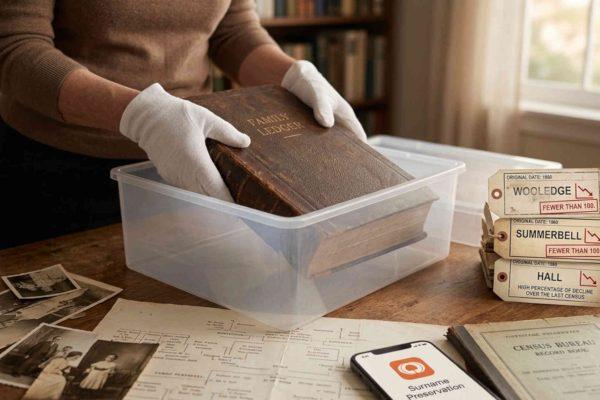
Researchers analyzed U.S. Census Bureau data to track surname growth and decline. They found that names like Wooledge (only 90 bearers), Tuffin (91), and Zillmann (95) are critically endangered. Others, such as Ammen (96), Rugger (96), Bevere (97), Blander (97), Summerbell (98), Yess (99), and Bouchier (99), each have fewer than 100 people claiming them nationwide. These numbers place them in extreme vulnerability, a stark contrast to the vibrant diversity of Latino surnames like García, Rodríguez, or López, which continue to grow across the U.S.
But the list doesn't stop there. Even well-known names like Hall (407,076 bearers), Bell (220,599), Ball (66,059), Small (down 12.3% between 2000 and 2010), and Walters (down 14,905 in the same period) are considered threatened. Naama Lanski, a researcher at MyHeritage, explains that this decline stems from a mix of factors: dying family lines, high mortality rates, historical pressures like discrimination, and administrative errors that altered names forever. For Latinos, this resonates with stories of surnames changed at border crossings or simplified by immigration officials, a theme explored in how Latino surnames are reshaping America's demographic landscape.
Why Surnames Disappear
The study highlights that surnames traditionally passed through male descendants, but times have changed. More women keep their maiden names after marriage, and many couples choose not to marry at all, bypassing the legal paperwork that once preserved surnames. This shift is part of a broader trend where Latino families are redefining the American reality, balancing tradition with modern choices. Lanski notes that names carry the stories of those who preceded us, and tools like MyHeritage empower people to track changes and discover original surnames, keeping family memories alive.
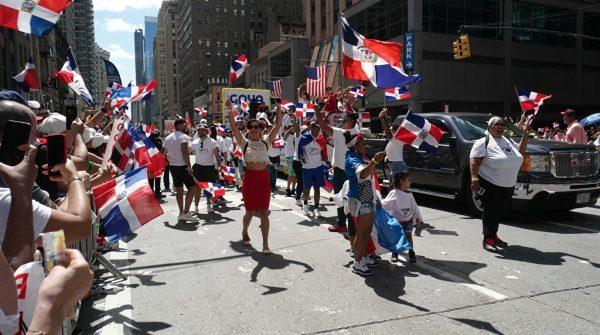
For bicultural Latinos, this is a call to reconnect. Many of us carry surnames that link us to specific towns in Jalisco, Buenos Aires, or San Juan. The loss of any surname—whether Anglo or Latino—represents a break in that chain. Yet, there's hope: more people are returning to original surnames, even those considered endangered, as a way to strengthen bonds with their roots. This phenomenon mirrors the evolution of Latino baby names in the US, where hybrid trends blend heritage with modernity.
As the U.S. becomes more diverse, the survival of surnames depends on conscious effort. Whether through genealogy research or simply passing down a name with pride, every family can play a part. The study serves as a reminder that our names are not just words—they're maps of where we come from, and for Latinos, they're bridges to a rich, interconnected history across the Americas.