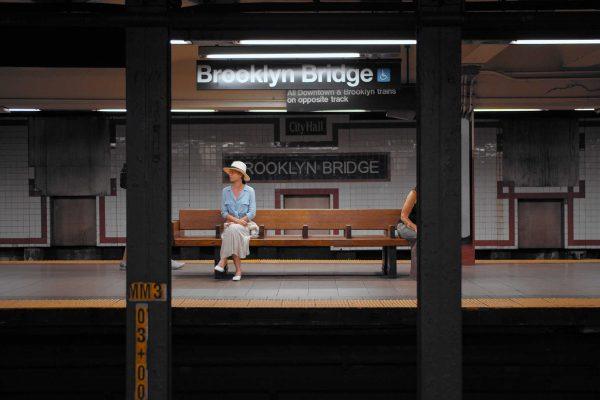
New York's subway system is undergoing a quiet transformation. In corners where newsstands once buzzed with conversation and the rustle of newspapers, sleek vending machines now hum with LED lights and touchscreens. The Metropolitan Transportation Authority (MTA) has begun installing these automated kiosks in several key stations, part of a broader push to revive retail spaces left empty since the pandemic.
The initiative targets the high rate of vacant storefronts that has plagued the system. According to MTA officials, the traditional small-business model—once a staple of stations like Times Square and Grand Central—has struggled to regain its footing. With commercial vacancy rates still well above pre-pandemic levels, the agency sees automation as a practical solution to optimize underused areas.
Efficiency vs. Nostalgia
For some riders, the machines are a welcome convenience. "I grab a snack and a phone charger without waiting in line," said María Fernanda, a commuter from Queens who transfers at 42nd Street. "It fits the pace of the city." Tourists, too, often express surprise at the sleek, modern infrastructure—a far cry from the grimy, chaotic image of the subway in popular culture.
But others mourn what's lost. The newsstand was more than a place to buy a MetroCard or a bag of chips; it was a social anchor. Vendors knew regulars by name, offered directions, and provided a human touch in an otherwise impersonal transit system. "I miss my guy at the stand on 86th Street," said Carlos, a lifelong Brooklyn resident. "He'd save me a paper and we'd talk about the Mets. Now it's just a screen."
The shift echoes a broader trend across the city, where automation is creeping into everyday life. From AI-driven rental negotiations to the removal of parking spaces for new trash bins, New York is embracing efficiency—sometimes at the cost of human connection.
The MTA plans to expand the program to 26 stations over the coming months and into 2027. The machines, which sell everything from headphones to hot meals, require minimal staffing and can operate around the clock. They also brighten spaces that might otherwise remain dark and abandoned, a point MTA officials emphasize.
Yet concerns linger. Some riders worry about mechanical failures or vandalism, while others question the long-term viability of replacing small businesses with corporate kiosks. The closure of small businesses has already hit Latino workers and neighborhoods hard, and this new wave of automation could deepen those losses.
Still, the machines are here to stay—at least for now. As the subway marches toward total automation, the golden era of the newsstand fades into memory. For many, it's a bittersweet ride.
"It's progress, I guess," said Carlos, shrugging. "But I'd trade a hundred machines for one conversation."