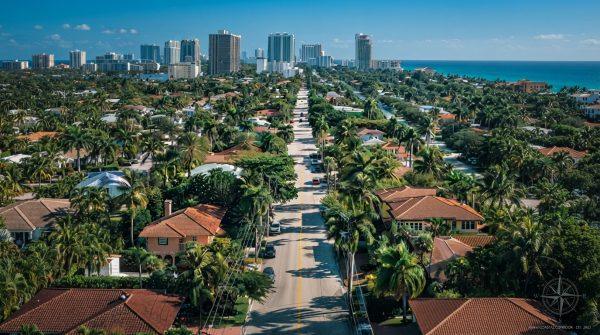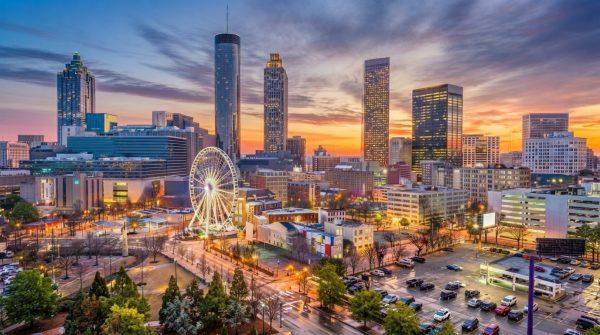
For years, the story of American opportunity has been written in the skylines of New York, San Francisco, and Los Angeles. But a new chapter is unfolding in the mid-sized cities that many have overlooked. According to a recent LinkedIn report, Augusta, Georgia, has emerged as the number one emerging job market in the United States, offering a rare combination of abundant employment and a cost of living that doesn't demand a second mortgage.
This isn't just about statistics; it's about the tangible shift in how and where we build our lives. For Latino families and young professionals who have felt the squeeze of skyrocketing rents in traditional hubs, Augusta represents a viable, welcoming alternative. The city along the Savannah River is proving that you don't have to choose between career growth and financial stability.
Why Augusta Is Winning
The LinkedIn Economic Graph, analyzing data from March 2024 to February 2026, places Augusta at the top of its list of emerging metropolitan areas. The city's strategic employers, including the U.S. Army Cyber Command and Augusta University, have created a robust ecosystem that attracts specialized talent. This isn't just about military and academic jobs; it's about the ripple effect—data centers, healthcare facilities, and a growing tech sector that are all hiring.
What truly sets Augusta apart is its affordability. With a median household income of $55,485 and an average home listing price of $396,195, residents can actually get ahead. Compare that to the coastal metros where a similar income barely covers rent, and the appeal becomes clear. As one local economic analyst noted, "Augusta offers a quality of life that allows families to thrive, not just survive."
The city's investment in green spaces—over 900 acres of parks and protected natural areas—adds to its charm. It's a place where you can have a career and still enjoy a weekend barbecue by the river without breaking the bank. This balance is increasingly rare, and it's a major draw for those looking to put down roots.
The Broader Shift to Mid-Sized Cities
Augusta isn't alone. The LinkedIn report highlights a broader trend: professionals are increasingly looking beyond the traditional capitals. Richmond, Virginia, with its tech infrastructure and investments from companies like Meta and Iron Mountain, takes second place. Reno, Nevada, follows, thanks to its advanced manufacturing and innovation hubs like Tesla and Switch. Even cities like Tulsa, Oklahoma, are making waves with initiatives to attract remote workers.
This decentralization of opportunity is a game-changer. As Laura Lorenzetti, LinkedIn's Vice President and Executive Editor, puts it, "Finding the right place to build a career has become just as important as finding the right job." For many, that place is no longer a crowded metropolis but a community where you can actually own a home and have a life.
For Latino families, this shift is particularly significant. Many of our communities have deep roots in cities like Los Angeles, Miami, and Chicago, but the rising cost of living is pushing many to consider new horizons. Miami-Dade's rising cost of living has already forced many essential workers to relocate. Augusta and similar cities offer a chance to maintain that sense of community while achieving financial security.
Of course, this isn't just about affordability. It's about opportunity. The tech sector in Augusta is booming, and with it comes a demand for skilled workers. For those willing to make the move, the potential for career advancement is immense. And with the city's commitment to sustainable development, there's a sense that this growth is here to stay.
As we look to the future, it's clear that the American Dream is being redefined. It's no longer about the bright lights of the big city, but about finding a place where you can build a life. Augusta, Georgia, is leading the way, and for many, it's a welcome change.