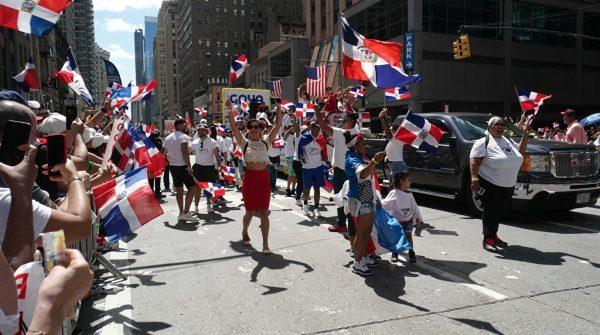
Across the United States, the names parents choose for their children are telling a new story about Latino identity. In 2026, official data from the U.S. Census Bureau confirms a clear shift: more families are selecting names that move easily between English and Spanish, blending heritage with practicality.
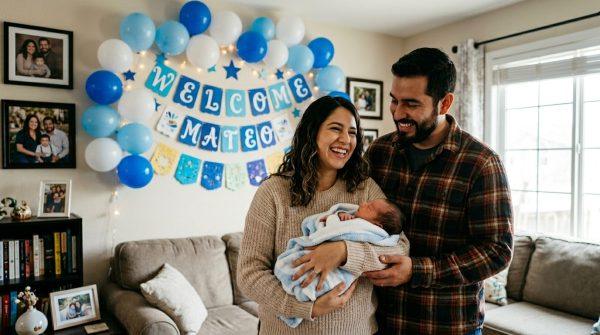
This isn't about abandoning tradition. It's about adapting. Parents in cities like Los Angeles, Miami, and Chicago are increasingly drawn to names like Mateo, Camila, and Santiago—options that feel familiar in both languages and carry cultural weight without causing daily pronunciation headaches. The goal, as researchers at the Pew Research Center note, is to give children a tool for navigating bilingual environments with confidence.
Why Hybrid Names Are Gaining Ground
The rise of hybrid naming reflects a deeper transformation within the Latino community. For many families, a name is no longer just a family heirloom; it's a strategic choice for social and professional integration. In competitive academic and job markets, a name that works seamlessly in English can reduce friction, while still honoring roots.
Grandparents often play a key role in this conversation. They may hold onto the importance of a saint's name or a family surname, but many now accept that a child named Liam Alejandro or Sofia Grace carries both worlds. This flexibility doesn't erase heritage—it expands it.
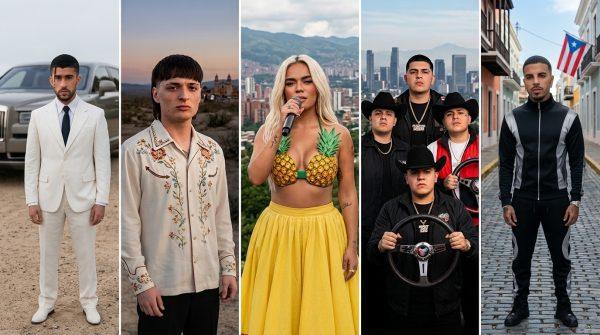
Media and pop culture also drive these trends. When celebrities like Jennifer Lopez or soccer stars like Lionel Messi name their children, those names gain visibility and acceptance. The influence of music, film, and sports has helped normalize Latino names across non-Spanish-speaking households, further blurring old boundaries.
Top Hybrid Names Leading the Charts
- Mateo – A classic that feels fresh in both languages, now popular across multiple demographic groups.
- Camila – Feminine, melodic, and widely recognized thanks to singers and actresses.
- Santiago – Strong and traditional, yet easy for English speakers to pronounce.
- Valentina – Romantic and international, a favorite among bicultural families.
- Sebastián – A name that carries gravitas in Spanish and fits smoothly into English.
These names are not just trendy; they represent a deliberate choice. Parents are thinking about how a name will sound in a classroom, on a résumé, and at a family gathering. They want something that reflects multiple allegiances—to their Mexican, Puerto Rican, Cuban, or Salvadoran roots, and to the American society their children will grow up in.
Tradition Meets Modernity
This evolution is not without tension. Some families worry that hybrid names dilute cultural identity. But demographic analysis suggests the opposite: the adoption of global variations is a sign of a community that is confident enough to adapt without losing itself. As one study put it, a name is no longer an exclusive ethnic indicator. It's a bridge.
For many, the choice is deeply personal. A name like Luna Isabella might honor a grandmother while also fitting into a diverse peer group. The balance between honoring the past and preparing for the future is a challenge, but one that families are navigating with creativity and pride.
This trend also connects to broader shifts in how Latino identity is expressed in the U.S. As Latino names shape bicultural identity, they become part of a larger conversation about belonging. Similarly, surnames are reshaping America's demographic landscape, reinforcing that naming is a powerful act of cultural negotiation.
In the end, the names of 2026 are not just a trend. They are a reflection of a community that is proudly diverse, increasingly mobile, and determined to give its children the tools to thrive in a world that values both roots and reach.