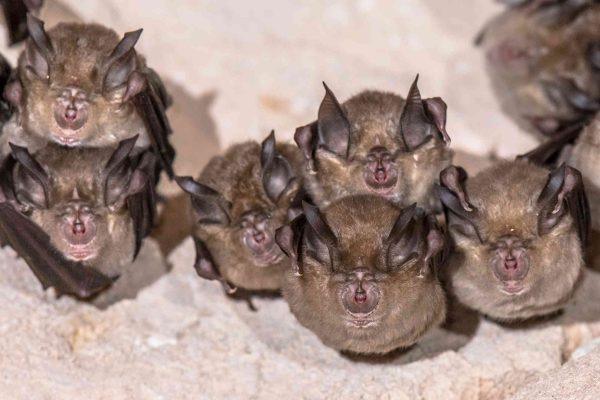
What began as an ordinary morning in a Loganville backyard turned into a public health reminder when a dead bat tested positive for rabies. The discovery, confirmed by Gwinnett County health officials, marks the second such case in the area within a single month. Earlier, another infected bat was found inside a home in nearby Snellville, underscoring the persistent presence of the virus in local wildlife.
Rabies is endemic in Georgia year-round
Georgia is an endemic state for rabies, meaning the virus circulates continuously among wild mammals throughout all twelve months. This latest incident in Loganville is a stark reminder that the threat is not seasonal. The National Association of State Public Health Veterinarians recommends that any unvaccinated pet that comes into contact with a suspect animal receive a booster dose immediately, followed by a strict four-month quarantine. For vaccinated pets, a booster is also advised, but the quarantine period is shorter.
The Centers for Disease Control and Prevention (CDC) warns that rabies attacks the central nervous system and is almost always fatal once symptoms appear. Recognizing warning signs in wildlife—such as a loss of natural fear of humans, unprovoked aggression, or difficulty walking—is critical. Health officials urge residents to report any animal exhibiting these behaviors to local animal control.
Protecting your family and pets
For families across Gwinnett County and beyond, the key to staying safe is prevention. Keeping your pets' rabies vaccinations up to date is the single most effective step. Additionally, avoid leaving pet food outdoors at night, secure trash containers to deter wildlife, and never attempt to rescue or handle a sick or dead animal without professional assistance. These simple measures can significantly reduce the risk of exposure.
The recent cases are not isolated to Gwinnett. Neighboring counties, including DeKalb and Chatham, have also reported rabid raccoons and bats. This regional pattern highlights the need for vigilance across the metro Atlanta area and beyond. As extreme heat events become more common, wildlife behavior may shift, making it even more important to stay informed.
For the Latino community in Georgia, many of whom enjoy outdoor activities with family and friends, these warnings are especially relevant. Whether it's a weekend barbecue in the backyard or a hike in a local park, being aware of your surroundings and knowing how to respond to wildlife encounters can make all the difference. Health officials emphasize that reporting unusual sightings to animal control and seeking immediate medical attention after any potential bite or scratch are crucial steps.
In the end, active surveillance and individual responsibility form the best defense against this dangerous public health threat. As the second case in a month shows, rabies is not going away. But with the right precautions, families can continue to enjoy their outdoor lives without undue fear.