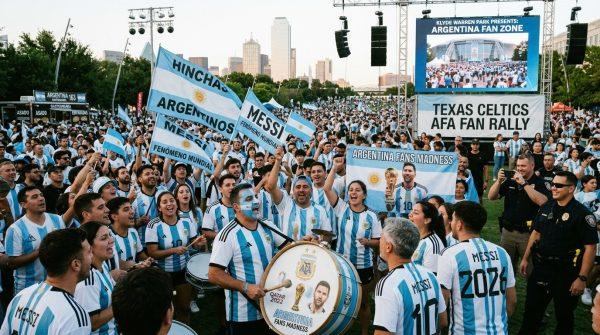
Every four years, the World Cup transforms millions of people across the Americas and the diaspora into something more than just spectators. For a few weeks, even those who rarely follow club football find themselves swept up in the collective energy, chanting for Argentina, Brazil, México, or the selección of their heritage. This isn't just passion for the game—it's a profound psychological shift that reconfigures how we see ourselves and others.
The Psychology of Collective Identity
Social psychologists have long studied how large-scale events like the World Cup act as catalysts for identity change. When people gather to watch matches, whether in Buenos Aires, Bogotá, or a bar in Los Angeles, they engage in shared rituals—singing anthems, waving flags, wearing jerseys—that blur the line between the individual and the group. This process, known as identity fusion, makes the team's success feel personal, and the nation's pride becomes your own.
For Latin American fans, this is especially potent. The World Cup often becomes a stage where regional rivalries and historical narratives play out. A goal by Colombia's James Rodríguez or a save by México's Guillermo Ochoa can momentarily unite a country divided by politics or class. As the tournament progresses, the label of "fan" or "compatriot" takes precedence over everyday roles like worker, parent, or neighbor.
The 'Us vs. Them' Dynamic
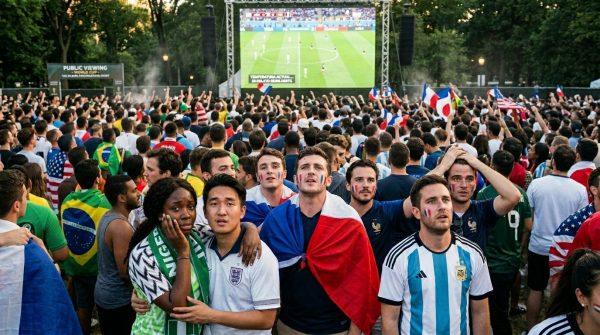
This heightened group identity comes with a well-documented trade-off: increased solidarity within the group often means reduced openness toward outsiders. Psychologists call this empathy bias. During the World Cup, fans are more likely to celebrate a rival's misfortune and less likely to see their perspective. This isn't just about sports—it can spill into real-world interactions, from heated arguments at work to tensions in multicultural neighborhoods.
In cities like São Paulo or Mexico City, where football is already a religion, the tournament amplifies these dynamics. The use of symbols—flags, face paint, chants—creates a sense of belonging that can be both exhilarating and exclusionary. As one expert notes, "The competitive atmosphere alters emotional priorities, making people who would otherwise be neutral suddenly invested in the outcome of a match thousands of miles away."
Health and Emotional Consequences
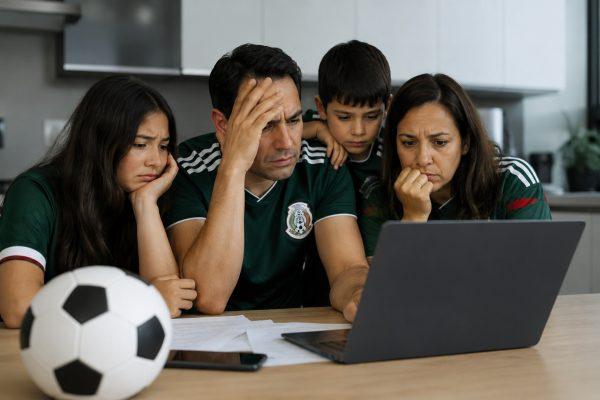
The emotional investment in the World Cup isn't just psychological—it has physical effects. Studies have shown that victories provide a temporary boost in well-being, while defeats can lead to genuine distress, even increasing cardiovascular risks among the most fervent supporters. For fans of teams like Peru or Chile, the emotional rollercoaster of a penalty shootout can feel like a matter of life and death.
This intensity also affects how we process criticism. Fans are more tolerant of constructive feedback from within their own group but react with hostility to outsiders who question their team. This protective mechanism, rooted in our evolutionary need for group cohesion, can make rational debate difficult during the tournament.
Beyond the Stadium: Social Cohesion and Rivalry
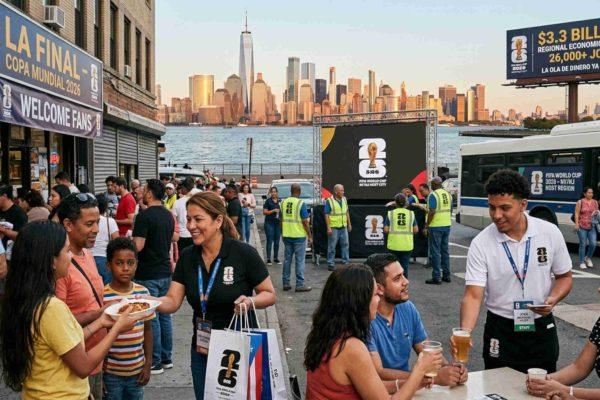
Despite the potential for conflict, the World Cup also offers a unique opportunity for integration. By emphasizing a higher common identity—say, being a football fan or a Latin American—it's possible to reduce tensions between rival nations. The tournament can function as a platform where, through the lens of sporting passion, individuals temporarily redefine their emotional priorities.
For example, the 2026 World Cup, which will be hosted partly in México, could serve as a powerful moment for regional unity. As Shakira returns for the 2026 World Cup, her music will once again bridge cultures, reminding fans that the tournament is as much about shared joy as it is about competition.
Understanding these psychological patterns is essential for managing social cohesion during the event. Institutions dedicated to public health and social harmony agree that group belonging must be channeled into positive dynamics. This means encouraging fans to celebrate their team's identity without dehumanizing rivals, and recognizing that the World Cup experience is a reflection of our deepest capacities for belonging, solidarity, and, at times, extreme rivalry.
As the tournament approaches, it's worth remembering that the collective behavior we see on the streets of Buenos Aires or in the stands of a stadium in Houston is not just about football. It's a mirror of our social selves, revealing how large-scale events can reshape our interaction with the world. For a deeper look at how teams without a World Cup title still command respect, check out Why the Netherlands Remain Football's Greatest Team Without a World Cup.