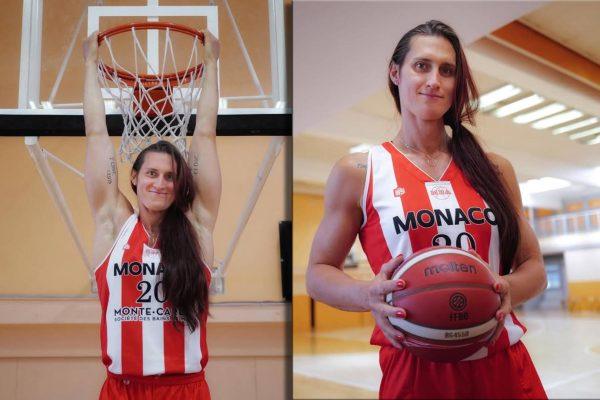
The conversation around transgender athletes in women's professional basketball has reached a new intensity, sparked by French center Julie Tétart's dominant season and her expressed interest in joining the WNBA. Tétart, who came out as transgender in October 2021, has been averaging 21 points and 20 rebounds per game for Monaco in France's Ligue 2, earning National Player of the Year and Defensive Player of the Year honors. When asked about a potential move to the WNBA, she told reporters, "If they contact me, I won't say no."
The reaction was immediate. Social media lit up with clips of Tétart's performances, some praising her skill, others questioning the fairness of her participation. The debate had already been simmering after Indiana Fever guard Sophie Cunningham publicly stated that biological males should not compete in women's sports divisions. Cunningham's remarks, made in a recent interview, drew both support and criticism from across the basketball community, and Tétart's situation has now become a flashpoint in that larger argument.
A season of records and controversy
Tétart's statistical output has been nothing short of remarkable. At 1.90 meters (6'3"), she has dominated the paint, leading the league in both scoring and rebounding. Her performances earned her individual accolades, but the MVP voting told a different story. According to media reports, several voters declined to support her candidacy due to ongoing debates about transgender eligibility in the French league. This echoes the experience of another French transgender athlete, Aurore Pautou, who was similarly excluded from postseason awards.
The controversy has not been confined to France. As Tétart's numbers circulated internationally, American commentators began citing her performance in discussions about competitive balance. Some have compared her dominance to that of Michael Jordan, while others have used it as evidence of an unfair advantage. The growing visibility has put pressure on league officials and international governing bodies to clarify eligibility rules before the next recruitment cycle.
Voices from the United States
In the United States, the debate has taken on a political dimension. Riley Gaines, a former NCAA swimmer and outspoken critic of transgender inclusion in women's sports, has voiced concerns about physical advantages in strength and muscle density. On the other side, Minnesota Lynx head coach Cheryl Reeve has emphasized the importance of creating inclusive frameworks within professional athletics. Reeve's comments, however, drew sharp rebukes from political commentators who questioned the implications for locker rooms and team dynamics.
The WNBA itself has yet to issue a definitive policy on transgender eligibility, leaving teams and players in a state of uncertainty. As the league evaluates its options, the discourse reflects deeply contrasting views on fairness, athletic competition, and inclusion. The resolution of these questions will likely shape not only the WNBA but also professional sports leagues across the globe.
For Latino basketball fans, this story resonates beyond the immediate controversy. It touches on broader themes of identity, belonging, and the evolving definition of fairness in sports—conversations that are happening in communities from the WNBA's own locker rooms to the streets of San Juan and México City. The debate also echoes similar discussions in other sports, such as the recent anthem controversy at the WPBL opener, where cultural and political tensions collided.
As Julie Tétart continues to dominate in France, her story has become a catalyst for a global conversation. Whether she ever suits up in the WNBA remains to be seen, but her impact on the game—and on the debate—is already undeniable. For now, the basketball world watches, divided but engaged, as it grapples with questions that have no easy answers.