Moving to the United States without fluent English can be daunting, but in several major cities, Spanish is not just an option—it's a way of life. According to the U.S. Census Bureau's American Community Survey, certain urban areas have become true linguistic havens where daily errands, social interactions, and even professional dealings can happen entirely in Spanish.
Hialeah and Miami: A Cuban Heartbeat
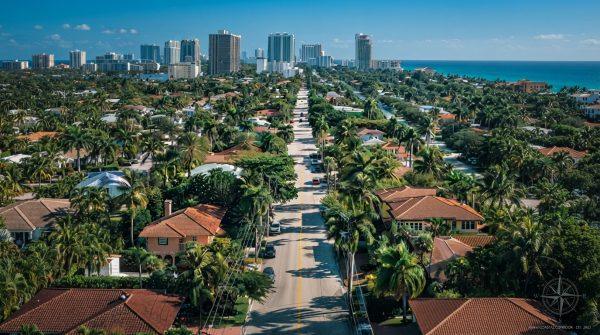
In South Florida, Hialeah stands out as a unique enclave. Over 95% of its population identifies as Hispanic, and more than 92% of residents aged five and older speak a language other than English at home—the highest percentage in the nation. Nearby Miami follows closely, with over 77% of households maintaining Spanish as their primary language. For newcomers from Cuba, Venezuela, or Colombia, these cities offer a seamless transition, where la cafetería and la bodega are as familiar as back home.
El Paso: Where Two Cultures Meet
El Paso, Texas, sits directly across the border from Ciudad Juárez, creating a binational dynamic that shapes its identity. Over 80% of the city's population claims Hispanic heritage, and Spanish is essential for commerce, family ties, and civic life. Here, crossing the border for lunch or a family visit is routine, and the language flows naturally across the Rio Grande.
Los Angeles: A Mosaic of Mexican and Central American Voices
Los Angeles County is home to one of the largest Spanish-speaking populations in the country. In neighborhoods like East Los Angeles, more than 82% of residents speak a language other than English at home. The enduring presence of Mexican and Central American communities ensures that Spanish is woven into the region's economy, from taquerías to corporate offices. For many, this is a place where roots and labels intertwine, and identity is proudly expressed in Spanish.
Houston and New York: Diverse Hubs
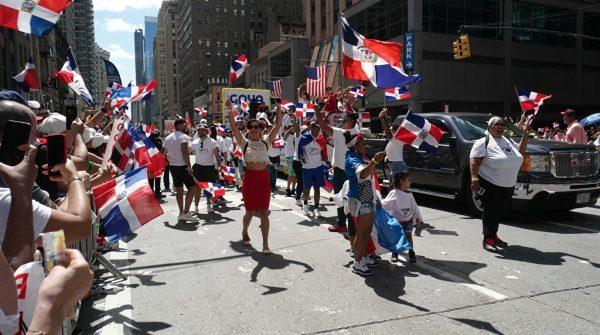
Houston has seen a rapid expansion of its Latino population, with areas like South Houston reporting over 72% of households speaking Spanish regularly. The city's diversity—from Mexican to Salvadoran to Honduran—makes it a vibrant tapestry of dialects and traditions. Meanwhile, New York City offers a rich linguistic landscape, where Puerto Rican, Dominican, Mexican, and Ecuadorian communities maintain deep roots in Queens and other boroughs. In fact, New York's global status is mirrored in its linguistic diversity, and Spanish is a constant presence in its streets and subways.
A National Shift
Nationally, about 22% of the U.S. population speaks a language other than English at home, but in these metropolitan hubs, the concentration is far higher. This isn't just about numbers—it's about cultural permanence. During Hispanic Heritage Month and all year round, these cities demonstrate that Spanish has become a permanent, daily language for millions. For those considering a move, these places offer not just a new home, but a familiar one. And for those already here, they serve as a reminder of the enduring power of language and community.
As the Latino population continues to grow, so does the influence of Spanish in American life. Whether it's through cultural icons or everyday conversations, the language is here to stay. For more insights into how Latinos are shaping the U.S., check out our analysis of identity and the financial trends affecting younger generations.