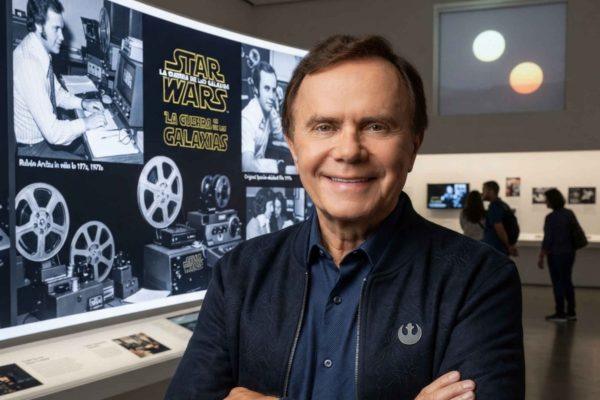
In 1977, a 17-year-old Mexican named Rubén Arvizu took on a task that would echo across generations: translating the original Star Wars script into Spanish. Working from Los Angeles with Estudios Sonoros Mexicanos, he helped found Sono-Mex Hollywood, a studio that would become a bridge between Hollywood and Latin American audiences. His work didn't just translate words—it translated a galaxy.
Arvizu grew up surrounded by creativity, guided by his older brother Jorge, known as El Tata. That artistic foundation prepared him for the challenge of making characters like Luke Skywalker, Princess Leia, and Darth Vader resonate naturally with Spanish speakers across the Americas. He was determined to preserve the essence of George Lucas's story, avoiding forced changes to names or dialogue that might break the spell.
His approach was meticulous. At a time when ADR lip-sync technology was transforming film production, Arvizu analyzed every scene to capture the emotional weight behind each line. The result was a dubbing that felt authentic, not just translated. It created a deep bond between the saga and Latino fans, many of whom grew up hearing these iconic voices in their own language.
Now, with the opening of the Lucas Museum of Narrative Art in Los Angeles, the spotlight returns to the cultural impact of Star Wars. But Arvizu's story reminds us that the franchise's reach goes beyond the screen—it lives in the voices that brought it to life for millions.
The Art of Dubbing and a Legacy Under Threat
Arvizu's career spans more than eight decades, including memorable work on Space Jam with Michael Jordan. But today, he's focused on a new battle: protecting the craft of dubbing from artificial intelligence. In his book Whose Voice Is That You Hear?, he documents his experiences and warns about the risks of replacing human talent with algorithms.
He points to the backlash against platforms like Amazon Prime Video when they attempted to automate dubbing, resulting in poor-quality output that frustrated audiences. For Arvizu, dubbing is not just a technical process—it's an art form that requires human sensitivity to convey emotion, humor, and cultural nuance. No algorithm can replicate the warmth of a human voice or the subtle choices that make a character feel real.
His fight resonates with many in the Latino community, where dubbing has long been a cherished tradition. From Mexico to Argentina, voice actors are cultural icons, and their work is a point of pride. As AI continues to advance, Arvizu's voice serves as a reminder that some things should remain human.
While fans celebrate the legacy of Star Wars and explore the new museum, Arvizu's story is a testament to the power of language and the people who shape it. His work in 1977 didn't just translate a film—it helped create a shared cultural experience for Latinos everywhere.
For those interested in the broader impact of Latino representation in entertainment, Fred Warner's Mexican heritage shows how Latino athletes are also breaking barriers. And as the conversation around AI grows, it's worth remembering that Karol G's Latin Grammy nod highlights the ongoing evolution of Latino music, another field where human creativity remains irreplaceable.
Arvizu's legacy is not just about the past—it's about the future of storytelling. As he continues to advocate for human dubbing, he inspires a new generation to value the craft and the voices that bring stories to life.