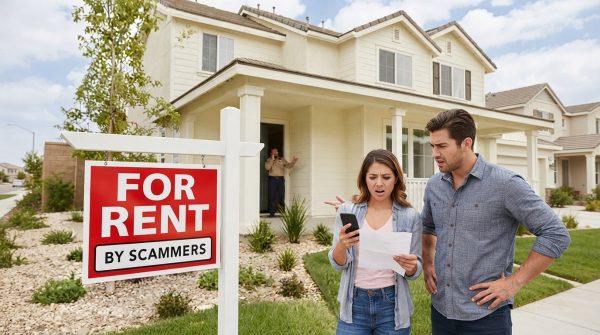
Finding a place to rent in California can feel like a full-time job, especially in competitive markets like Los Angeles, San Francisco, and San Diego. But for many Latinos in the state, the search has become even more dangerous: a wave of rental scams is targeting people who are simply looking for a stable home. From fake property managers to fabricated emergency repairs, these schemes have cost tenants thousands of dollars and left families scrambling for housing.
One recent case in Sacramento shows just how bold these fraudsters can be. Julio Cerda, a tenant, paid $4,000 to rent a home and moved in, only to be told by a supposed administrator that he had to leave immediately for "emergency repairs." Later, Cerda discovered the property was actually listed for sale—and the person who took his money had no legal right to rent it. Stories like this are becoming all too common, and they highlight the need for renters to verify every detail before handing over a deposit.
Why rental scams are on the rise
California's housing market is notoriously tight, with high demand and limited supply. Scammers exploit this desperation, posting fake listings on popular platforms like Craigslist, Facebook Marketplace, and even real estate sites. They often use photos of vacant homes, claim to be out of town, and pressure applicants to wire money or pay through peer-to-peer apps. Once the money is sent, they disappear—and the tenant is left with no home and no recourse.
Consumer protection agencies warn that these scams are not just about losing money. In some cases, victims move in and then face sudden eviction when the real owner or a fake manager shows up. Landlords cannot legally lock you out or shut off utilities without a court order, but scammers don't follow the law. Knowing your rights is the first line of defense.
How to verify a property before paying anything
Before you hand over a single dollar, take these steps to confirm the listing is legitimate:
- Check county records: Visit your county assessor's website and search the property address. This will show you who actually owns the home. If the person claiming to be the landlord isn't on the title, walk away.
- Verify the agent's license: The California Department of Real Estate has a searchable database where you can confirm whether a property manager or leasing agent holds a valid license. If they don't, that's a red flag.
- Insist on an in-person tour: Scammers often avoid showing the property in person. If the "landlord" makes excuses or only offers a video tour, be suspicious. A legitimate owner will be happy to meet you.
- Cross-check tax and utility records: You can sometimes verify ownership through property tax records or utility billing history. If the person collecting rent can't provide proof they pay the property taxes, something is off.
- Avoid untraceable payments: Never pay a deposit via wire transfer, cash, or peer-to-peer apps like Zelle or Venmo. These methods offer no protection. Use a check or credit card so you have a paper trail.
- Consult a legal aid group: If you're unsure about a lease or a landlord, reach out to local tenant rights organizations. They can review documents and help you spot red flags.
These steps might seem time-consuming, but they can save you from losing thousands of dollars. As California's new Native American Day reminds us, our communities are diverse and deserve protection—and that includes housing security.
What to do if you've been scammed
If you've already paid a deposit and suspect fraud, act quickly. File a complaint with the California Department of Real Estate, which can investigate and potentially take action against the scammer. You should also report the listing to the platform where you found it, and consider contacting local law enforcement. In some cases, you may be able to recover your money through small claims court, but you'll need documentation—so keep all emails, texts, and receipts.
Legal aid networks emphasize that having keys doesn't give someone the right to collect rent. If you've moved in and a fake manager demands you leave, remember that only a court can evict you. Don't be intimidated by threats of lockouts or utility shutoffs. Know your rights and seek help from organizations like the California Rural Legal Assistance or the Legal Aid Foundation of Los Angeles.
Rental scams are a serious problem, but with the right precautions, you can protect yourself. As the state continues to grapple with housing affordability, it's more important than ever to stay vigilant. For more on how California is addressing housing and economic challenges, check out our coverage of gas prices and winter fuel and SNAP payment dates.
Remember: if a deal seems too good to be true, it probably is. Take your time, verify everything, and don't let anyone pressure you into a decision you'll regret. Your home—and your hard-earned money—are worth protecting.