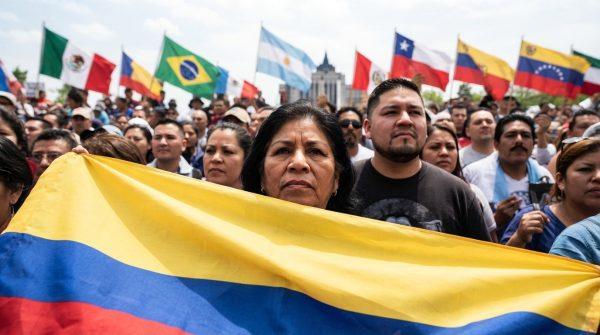
For decades, the U.S. Census and federal agencies have lumped millions of people under broad terms like “Hispanic” or “Latino.” But a new study from the Pew Research Center shows that when given the choice, most members of this community prefer to name their specific roots—whether that’s Mexican, Puerto Rican, Cuban, or Salvadoran—over any umbrella label.
Released on September 15, 2025, the survey polled 4,923 adults across the country. The findings paint a nuanced picture of identity in a community that spans generations, languages, and geographies. According to the data, 53% of respondents say they most often describe themselves using their family’s country of origin. Meanwhile, 27% opt for pan-ethnic terms like “Hispanic” or “Latino,” and 18% simply say “American.”
Identity Is Fluid, Not Fixed
The study also reveals that identity isn’t a one-size-fits-all label. Many respondents switch terms depending on the context. For instance, 84% admit to using pan-ethnic labels at least occasionally, while 80% regularly mention their family’s homeland in daily conversations. This fluidity reflects the reality of navigating multiple cultural worlds—at work, at home, and in social settings.
“People are not monolithic,” said Mark Hugo Lopez, director of race and ethnicity research at Pew. “They carry their heritage with them, but they also adapt to their surroundings.” This sentiment echoes the experiences of many bicultural Latinos who move seamlessly between English and Spanish, between their parents’ traditions and their own American upbringing.
Federal Labels vs. Personal Reality
Despite these personal preferences, federal agencies continue to use broad categories for data collection. The U.S. Census Bureau estimates the Latino population at 70.1 million, a figure that includes people from Mexico, Puerto Rico, Cuba, Central and South America, and other regions. The Office of Management and Budget defines these groups under a single administrative umbrella, which is useful for tracking economic and civic trends but often fails to capture the rich diversity within.
This disconnect between official labels and lived identity is nothing new. For many, the term “Hispanic” was imposed by the government in the 1970s, while “Latino” emerged as a more inclusive alternative. Yet neither fully captures the pride someone feels when they say they’re from Jalisco or Bogotá.
Cultural Celebrations and Community Voices
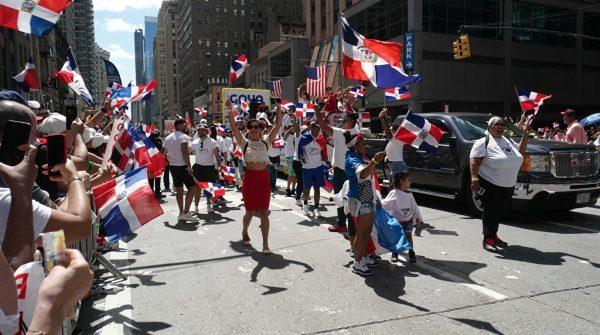
The study’s release coincides with Hispanic Heritage Month, a time when the community’s contributions are celebrated nationwide. From festivals and concerts to special music performances, the month highlights the cultural wealth that defies simple categorization.
For many, the way they identify is deeply personal. “I’m Colombian American,” says María Fernanda, a 28-year-old from Queens. “When someone asks if I’m Hispanic, I say yes, but it’s not the first thing I think of. My family is from Medellín, and that’s my story.”
The Pew findings also underscore the importance of recognizing the community’s diversity—not just in terms of national origin, but also in race, language, and generational experience. As the U.S. Latino population continues to grow, these nuances will only become more significant.
For now, the message is clear: Latinos are not a monolith. They are a mosaic of cultures, each with its own history and pride. And while labels may be useful for data, they can never capture the full humanity of a people.