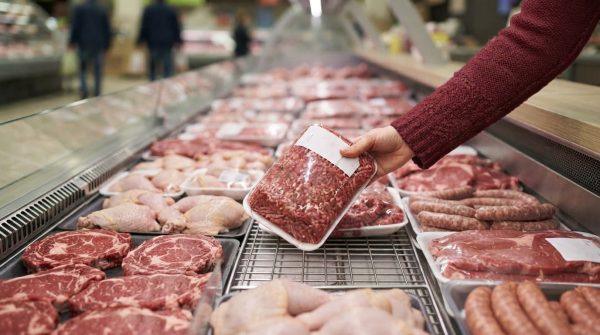
The U.S. Department of Agriculture (USDA) has issued a Class I recall—the most serious level—for more than 167,000 pounds of raw meat that entered the food supply without proper federal oversight. The meat, distributed by Star Meat Delivery Inc. of Lucama, North Carolina, includes beef, pork, goat, and mutton, and was shipped to restaurants and retailers across the country. The problem? The packages carry a fake inspection label, and some of that meat may still be sitting in your freezer right now.
According to the USDA's Food Safety and Inspection Service (FSIS), the affected products were produced without the mandatory federal inspection that all meat sold in the U.S. must undergo. The agency discovered that the boxes bore the establishment number EST. 1363, which does not correspond to any authorized facility. That number is a red flag: any product bearing it is considered misbranded and unsafe to eat.
What makes this recall particularly tricky is that not every package will show the fake label. FSIS warned that some retailers may have placed their own pricing or safe-handling stickers over the original packaging, hiding the EST. 1363 code. So even if you don't see the number, you could still have a recalled product in your kitchen.
What products are affected?
The recall covers a wide range of raw cuts, including goat meat (both cut and whole with skin), beef ribs, oxtail, trotters, shank, ribeye, ground pork, chorizo, chops, pork trotters and ribs, diced or sliced pork Boston butt, and Menudo Mix. The products were packed in boxes weighing 10, 20, or 30 pounds, and were initially shipped to A&D Foods in Georgia for further distribution across the country.
Because the meat never went through federal inspection, there's no way to guarantee it was handled under proper sanitary conditions or that it's free from harmful bacteria, undeclared allergens, or other contaminants. The USDA has classified this as a Class I recall, meaning there is a reasonable probability that eating the food could cause serious health consequences or even death.
As of September 22, no illnesses or injuries linked to these products had been reported. But the lack of inspection means the risk is real, and the agency is urging consumers to act now.
What you should do right now
First, check your freezers and refrigerators for any meat that might be part of this recall. Look for the A&D Foods brand name and the code EST. 1363. If you find any suspicious packages, do not cook or eat them. The USDA explicitly advises against cooking the meat, because cooking does not eliminate the hazards associated with uninspected products. Instead, throw the meat away or return it to the store where you bought it for a full refund.
Restaurants and other food service establishments are also under orders to stop selling or serving any of these products immediately. If you've eaten any of the recalled meat and develop symptoms like nausea, vomiting, or diarrhea, contact a healthcare provider right away.
This recall is a stark reminder of how important food safety inspections are. As our community's food traditions often center on shared meals and family recipes, it's crucial to know where our ingredients come from. For more on food safety, you might also check out the recent Danone frozen dessert recall and the FDA hand soap recall.
The FSIS is continuing to investigate and may expand the recall as more information becomes available. They've also asked Star Meat Delivery to notify its customers and will post updated distribution lists on the agency's recall portal. In the meantime, the best defense is a thorough check of your own kitchen.
For many Latino households, meat is a staple—whether it's for a weekend asado, a pot of menudo, or a family gathering. Taking a few minutes to verify your meat's origin could protect your loved ones from a serious illness. Stay informed, stay safe, and when in doubt, throw it out.