In the bustling streets of New York, a quiet revolution is taking place in the fashion industry. Women across the five boroughs are turning their closets into profitable side businesses by renting out their clothes through specialized digital platforms. This trend, fueled by the rise of the circular economy, is not only reshaping consumer habits but also creating a new wave of female entrepreneurship.
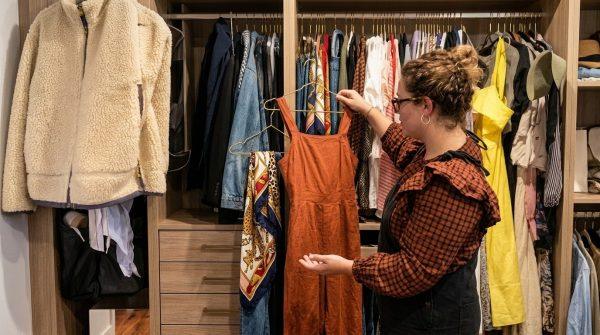
Apps like Pickle have become the go-to marketplace for fashion-forward New Yorkers looking to monetize their wardrobes. From Manhattan lofts to Brooklyn brownstones, users are listing everything from designer gowns to everyday chic, earning anywhere from a few hundred to a staggering $30,000 a month. The demand is particularly high during social seasons—think summer weddings, galas, and music festivals—when everyone wants to wear something new without the hefty price tag.
Why Renting Is Booming
The growth of this market is no accident. It's driven by a generation that values experiences over possessions and sustainability over excess. Millennials and Gen Z, in particular, are leading the charge, preferring to rent a stunning dress for a night out rather than buy it and let it hang in a closet. This shift is not just a trend; it's a fundamental change in how we think about fashion consumption.
For many Latinas in the city, this is more than a side hustle—it's a way to honor their cultural heritage of resourcefulness and community. "My abuela always taught me to make do with what I have," says María Fernanda, a renter from Queens. "Renting my clothes is like sharing that wisdom with the world, but with a modern twist."
The financial potential is real. Top performers are consolidating recurring revenues of up to $12,000 a month, according to consumer reports from the U.S. Census Bureau and digital commerce agencies. This is not just pocket money; it's a serious income stream that can supplement or even replace a traditional job.
Operational Realities: It's Not Just About Posting a Photo
But don't be fooled—this is not a passive income. Successful renters treat it like a business. That means meticulous attention to logistics: washing, ironing, packaging, and coordinating delivery with buyers. It's a time-consuming endeavor that requires dedication and organization.
"People think you just snap a picture and the money rolls in," says Elena, a renter from the Bronx. "But it's a lot of work. You have to be on top of your inventory, your cleaning, your shipping. It's like running a mini fashion house."
To scale, many renters invest in external storage services and set aside specific hours each day to manage their listings. They also strategically purchase exclusive pieces—designer dresses, vintage finds, and accessories from recognized brands—to keep their inventory fresh and appealing.
Experts recommend documenting every garment with professional-quality photos and writing clear, detailed descriptions. This not only attracts more renters but also protects you in case of disputes. Establishing clear return policies is crucial, as is understanding your rights under the Federal Trade Commission's guidelines on consumer transactions.
The environmental angle is also a big draw. By renting, you're extending the life of your clothes and reducing textile waste in one of the most densely populated cities in the world. It's a win-win: you earn money and you're helping the planet.
As this trend continues to grow, municipal financial authorities are starting to take notice, evaluating the fiscal impact of these digital activities on the independent labor market. It's a sign that renting your clothes is not just a fad but a legitimate economic force.
For those looking to start, the advice is simple: start small, be consistent, and treat it like a business. And if you're in Miami, you might want to check out local small business support programs to help you get started. The potential is there—it's up to you to unlock it.
In a city that never sleeps, your closet could be your next big opportunity. Whether you're a fashionista in SoHo or a busy mom in Astoria, the sharing economy is opening doors. And for Latinas, it's a chance to blend entrepreneurship with cultural pride, one rental at a time.